Why Lot Consistency Should Be a Priority in Project Orders
Lot consistency sounds boring until a rollout starts failing in fragments. This article explains why serious project buyers should treat batch consistency, lot-to-lot consistency, and material traceability as buying controls, not back-office decoration.
A project order can look clean on paper, pass a casual receiving check, and still carry enough hidden variation across production lots, label histories, SPD data, rank profiles, supplier streams, and prior handling conditions to turn one simple purchase order into weeks of finger-pointing.
So why do buyers still treat lot consistency like admin work?
I have a hard opinion here: most “quality problems” in project material orders are really sourcing discipline problems wearing a technical costume. The module failed, the tile shade shifted, the plastic color drifted, the coating behaved differently, the cable jacket felt off, the memory channel downclocked, and everyone acted shocked. But the warning signs were usually there. They were just inconvenient.
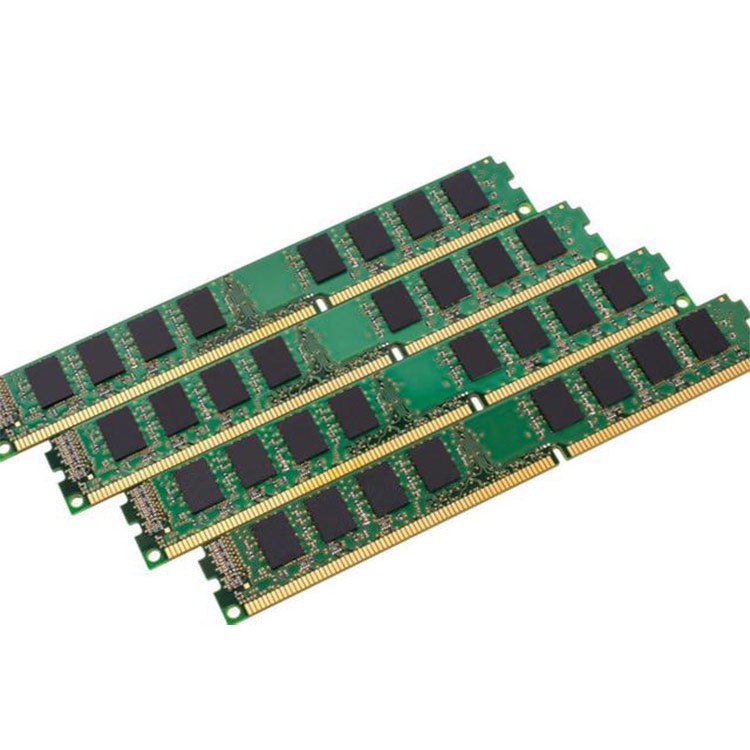
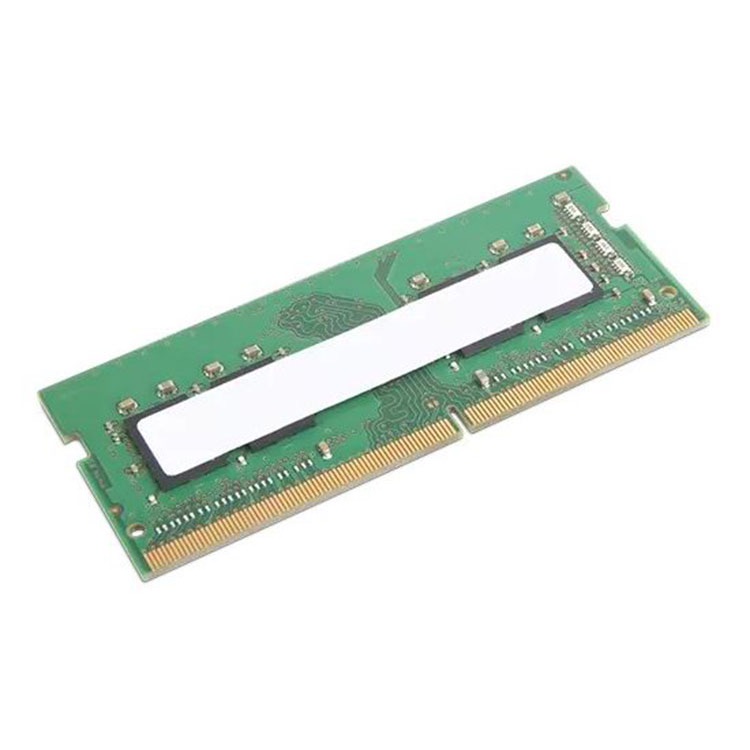
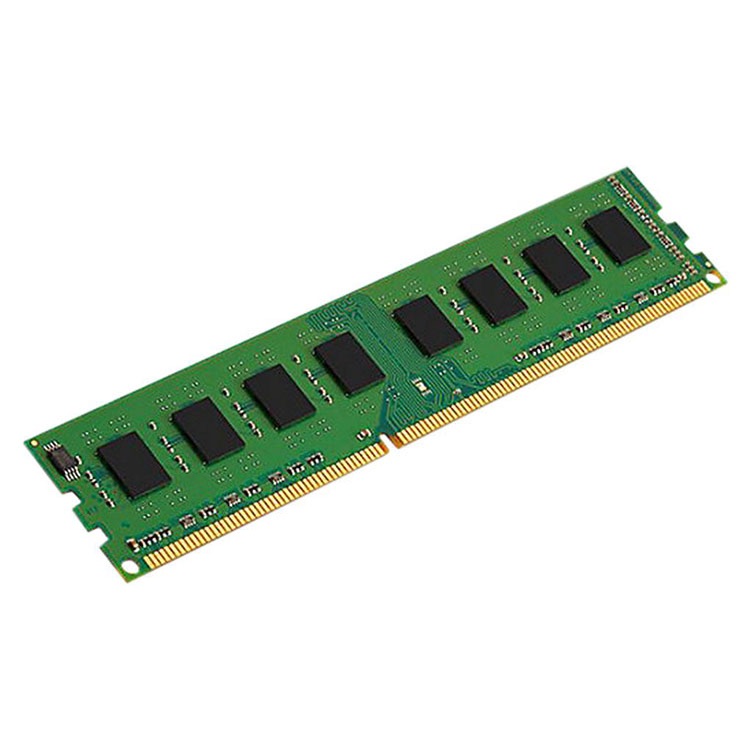
For server memory projects, batch consistency means more than receiving 200 pieces of “64GB DDR4-3200 ECC RDIMM.” It means the buyer knows whether those modules share the same technical identity: DDR generation, RDIMM or LRDIMM type, ECC behavior, rank layout such as 1Rx8, 2Rx4, or 4Rx4, manufacturer part number, date-code pattern, SPD profile, warranty pool, and testing history.
That is why I would rather see a buyer spend five extra minutes reviewing a server memory part number guide than spend five days explaining why a deployment failed after installation. Capacity tells you size. It does not prove fit.
Batch Consistency Is Not Fancy QA. It Is Risk Control
Batch consistency is the practice of keeping materials from the same verified production lot, sourcing stream, technical revision, or tested group together so a project order behaves predictably during installation, validation, operation, and replacement. In plain English: same order, same evidence, same behavior.
That sounds basic. It is not.
In regulated manufacturing, batch identity is treated seriously because it connects production history to accountability. The U.S. regulation 21 CFR 211.188 on batch production and control records requires complete information for each batch of drug product produced. Server memory is not medicine, obviously, but the logic travels well: if you cannot trace the batch, you cannot investigate the failure cleanly.
And here is the uncomfortable part. Technology procurement often pretends it is more sophisticated than old-school manufacturing, while still accepting vague phrases like “same spec,” “equivalent,” “compatible,” or “tested.” Tested how? Equivalent by which variables? Compatible with which server model, BIOS branch, CPU generation, and slot population rule?
I distrust vague quotes.
For DDR4 and DDR5 project orders, a buyer should connect batch consistency to real server variables: Samsung, Micron, SK Hynix, Kingston, ECC RDIMM, LRDIMM, 1Rx4, 2Rx4, 2Rx8, 3200 MT/s, 4800 MT/s, 5600 MT/s, Dell PowerEdge R740/R750, HPE ProLiant DL380 Gen10/Gen11, Lenovo ThinkSystem SR650 V2/V3, and Supermicro X12/X13 platforms. Those details are not decoration. They are how you prevent the wrong kind of “almost identical.”
ServerDimm’s server memory quality testing and warranty workflow gets this right by putting compatibility review, ECC/module-type checks, part-number review, pre-shipment screening, and warranty handling in the same conversation. That is how real procurement should work.
The Industry’s Dirty Shortcut: Buying by Capacity
A lot of buyers say they need 500 pieces of 32GB memory.
That sentence is dangerously incomplete.
A 32GB DDR4 module can differ by speed bin, rank, organization, voltage, label origin, firmware data, OEM validation path, supplier handling, and replacement history, and those differences may not matter in a spreadsheet but absolutely can matter when a dual-socket server starts training memory under production conditions.
Would you approve a concrete pour because every truck says “gray material”?
The same laziness appears in building materials, electronic components, coatings, textiles, LED strips, flooring, batteries, and server memory. Material color consistency gets ignored until one section of the project looks warmer under light. Lot-to-lot consistency gets ignored until replacement parts do not match the first shipment. Batch-to-batch consistency gets ignored until a supposedly uniform order produces scattered failures.
For server memory, I would break project orders into four questions before approving the PO:
Buyer Question
Weak Answer
Better Answer
Is the batch technically uniform?
“All are 32GB DDR4.”
Same DDR generation, module type, ECC support, rank profile, speed, part number family, and SPD identity reviewed.
Can the lot be traced?
“Supplier says tested.”
Lot groups, visible labels, date codes, test notes, replacement pool, and source history are documented.
Was it tested like it will be used?
“It booted.”
Tested against target server class, BIOS assumptions, population rules, burn-in, and ECC log behavior.
Are substitutions controlled?
“Equivalent parts allowed.”
No substitution without written approval against defined technical variables.
Can failures be isolated?
“We will RMA bad pieces.”
Modules are grouped by lot so weak subgroups can be quarantined without freezing the whole rollout.
This is where DDR4 server memory and DDR5 server memory buying should be handled differently. DDR4 projects often involve installed-base continuity, replacement planning, and older platform rules. DDR5 projects often involve newer density planning, higher speeds, PMIC behavior, on-die ECC at the DRAM-chip level, and tighter expectations around future expansion.
Same word: memory. Different risk profile.
Real Evidence: Traceability Fails Are Not Theoretical
NIST has warned for years that ICT supply-chain risk includes counterfeit parts, uncertain supplier paths, and component-origin problems. In NIST SP 800-161, one example describes an earthquake in Malaysia reducing commodity DRAM supply to 60% of world supply, while another warns that accidental procurement of a counterfeit part caused premature component failure and affected mission performance.
That is not a small lesson. When supply tightens, buyers start accepting looser substitutions.
Reuters reported that a U.S. Senate Armed Services Committee investigation found 1,800 cases of bogus parts in the Department of Defense supply chain in 2009 and 2010, with suspected fake parts topping 1 million. Different sector, same disease: weak traceability lets bad parts hide inside professional procurement.
Now pull that thinking into data centers. The Uptime Institute’s Annual Outage Analysis 2025 reported that 54% of respondents said their most recent significant, serious, or severe outage cost more than $100,000, and one in five said it cost more than $1 million. I am not claiming every outage is a memory-lot issue. That would be nonsense. I am saying procurement failures become operational costs fast, and serious buyers should stop pretending receiving inspection is a formality.
There is also field evidence that memory deserves respect. Google Research’s large-scale study DRAM Errors in the Wild found more than 8% of DIMMs affected by errors per year in the studied fleet, with DRAM error behavior differing from common assumptions. That does not mean every DIMM is suspicious. It means enterprise memory is not magic. It is hardware, and hardware needs evidence.
Lot Consistency in Server Memory Project Orders
Project memory orders fail in boring ways first.
One label format is slightly different. One subgroup has a different date-code rhythm. One carton reads like a clean bulk lot, but SPD capture shows several profiles. One server trains at a lower speed. One channel logs corrected ECC events. One replacement shipment introduces a different rank layout. Nobody panics because nothing has exploded.
Then the rollout expands.
This is where ServerDimm’s article on a mixed-lot memory issue before rollout fits the buying conversation. Mixed-lot risk is not always a fake-part story. Sometimes it is simply an uncontrolled blend of valid modules that should not have been treated as one clean deployment group.
And yes, mixed memory can work sometimes. But the word “sometimes” should make procurement teams nervous. The safer rule is to read the server RAM mixing rules before trusting a quote that blends brands, ranks, or module types under the lazy umbrella of “compatible.”
Brand mixing is not automatically evil. Spec mixing is.
A Samsung 64GB DDR4-3200 2Rx4 ECC RDIMM and a Micron 64GB DDR4-3200 2Rx4 ECC RDIMM may be acceptable in a supported platform if the server vendor’s population rules allow it and validation confirms stable behavior. A Samsung RDIMM and a Micron LRDIMM do not become compatible because both say “server RAM.” That is wishful buying.
The Procurement Questions I Would Ask Before Signing
I would ask ugly questions early.
Not rude questions. Useful ones.
Can you separate the lot groups before shipment?
If a supplier cannot keep lot groups separate during picking, packing, labeling, and documentation, the buyer inherits a detective job. That is not supply. That is a mystery box.
Can you provide part-number and SPD consistency evidence?
For memory projects, I want the advertised spec and the module identity to agree. That includes manufacturer fields, timing tables, rank profile, speed, module revision, and visible label condition. A cheap boot test does not answer those questions.
What happens if we need replacements in 60 days?
Batch consistency is not only about the first shipment. It is also about continuity. If 12 modules need replacement after a pilot, will the supplier pull from the same validated pool, a matched lot, or whatever is sitting closest to the warehouse door?
Are substitutions blocked unless approved?
The phrase “same or equivalent” should scare buyers. Equivalent by capacity is not equivalent by deployment risk. I would write the PO so substitutions require approval by generation, type, capacity, rank, speed, ECC behavior, manufacturer part number, and platform fit.
Was the memory tested against the project, not just the product?
A generic tester catches obvious bad modules. It does not fully replicate Dell, HPE, Lenovo, or Supermicro behavior under target BIOS settings, CPU memory-controller rules, slot population order, thermals, and workload pressure.
The Cost of Ignoring Batch-to-Batch Consistency
Small drift becomes expensive when multiplied.
In project material orders, batch-to-batch consistency affects labor, warranty claims, deployment windows, spare planning, customer acceptance, and reputational damage. A five-dollar saving per module can disappear in one delayed maintenance window. A slightly cheaper lot can become a freight bill, an RMA queue, and a painful conversation with a customer who does not care how attractive the quote looked.
I will say the unpopular thing: procurement teams often reward the wrong behavior. They praise the buyer who shaved 2% off unit cost and ignore the engineer who prevented a 20-hour rollout failure by rejecting a messy lot.
That is backwards.
The best project buyers do not chase perfect sameness for vanity. They chase controlled variation. They know when mixed lots are acceptable, when they are dangerous, and when the supplier is hiding uncertainty behind sales language.
A Practical Lot Consistency Checklist for Project Buyers
Use this before approving project material orders, especially when the order involves DDR4, DDR5, ECC RDIMM, LRDIMM, high-volume replacement, refurbishment programs, or multi-site deployment.
Define the required specification beyond capacity: DDR generation, DIMM type, ECC behavior, rank, speed, voltage, and target platform.
Request visible lot separation before shipment.
Capture or request part-number and label consistency evidence.
Check whether SPD data matches the quoted identity.
Pilot-test a small group before full rollout.
Run burn-in and monitor corrected ECC logs.
Ban unapproved substitutions in writing.
Keep receiving, testing, and RMA records tied to lot groups.
Match replacement stock to the original deployment group when possible.
Treat “same spec” as a claim, not proof.
This is not overkill. This is adult procurement.
FAQs
What is batch consistency in project orders?
Batch consistency in project orders means keeping materials from the same verified production lot, sourcing stream, technical revision, or tested group together so the delivered project behaves predictably across installation, operation, replacement, and warranty review. It helps buyers reduce hidden variation, isolate defects, and avoid treating mixed materials as interchangeable inventory.
In server memory sourcing, this can mean grouping DIMMs by manufacturer part number, rank profile, SPD data, date-code pattern, ECC behavior, module type, and test status before deployment.
Why is lot consistency important in project orders?
Lot consistency is important in project orders because large deployments magnify small variations, turning minor batch differences into visible mismatch, compatibility problems, performance drift, warranty disputes, or delayed acceptance. A single inconsistent subgroup can affect installation labor, customer confidence, troubleshooting time, and the buyer’s ability to prove what went wrong.
For DDR4 and DDR5 server memory, lot consistency helps teams identify whether a problem belongs to a module, a subgroup, a platform rule, or a supplier substitution.
What is the difference between batch consistency and lot-to-lot consistency?
Batch consistency usually focuses on uniformity inside one delivered batch, while lot-to-lot consistency compares whether separate production lots, shipments, or sourcing groups behave similarly over time. Buyers need both because a project may require initial delivery, phased installation, spare stock, and later replacements that still match the original technical and quality expectations.
In practical terms, batch consistency protects today’s rollout, while lot-to-lot consistency protects repeat orders, expansion phases, and warranty replacements.
How can buyers check material color consistency or technical consistency before rollout?
Buyers can check material color consistency or technical consistency by comparing samples, labels, production codes, supplier records, test data, and installation behavior before approving the full deployment. The exact method depends on the material, but the goal is the same: verify that the delivered lot matches the approved reference standard.
For server memory, that means visual inspection, part-number verification, SPD capture, platform diagnostics, burn-in testing, and ECC log review.
Can mixed-lot materials still be used safely?
Mixed-lot materials can be used safely only when the buyer proves the differences do not affect appearance, fit, performance, reliability, compliance, or warranty obligations in the target project. Mixed lots should be treated as controlled exceptions, not casual substitutions, because the risk depends on technical variables and deployment conditions.
For server RAM, mixing must respect DDR generation, RDIMM/LRDIMM type, ECC support, rank, speed, voltage, CPU-socket symmetry, BIOS rules, and server population guidance.
Final Thoughts: Make the Supplier Prove the Batch
Batch consistency should be a priority in project orders because it is one of the few controls that protects both the spreadsheet and the server room.
Do not buy anonymous quantity. Buy documented material.
Before your next DDR4, DDR5, ECC RDIMM, or LRDIMM project order, ask for part-number clarity, lot separation, testing evidence, substitution rules, and warranty terms in writing. If the supplier can answer cleanly, move forward. If the answer gets vague, slow the order down and demand proof before the risk becomes yours.
ServerDimm supplies new and used branded server memory for distributors, OEM buyers, resellers, and data center teams. We support DDR4 and DDR5 sourcing with tested inventory, compatibility checks, and responsive quote service.