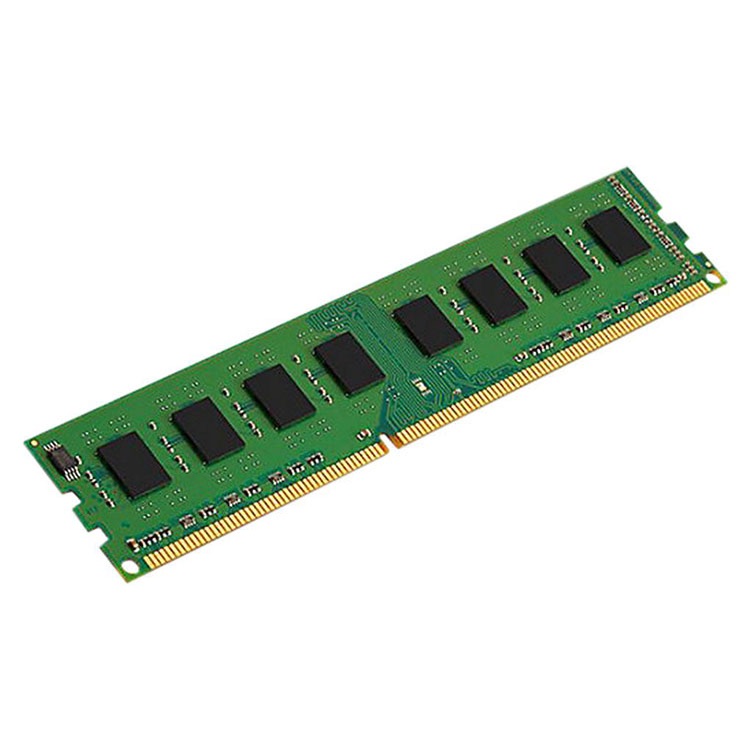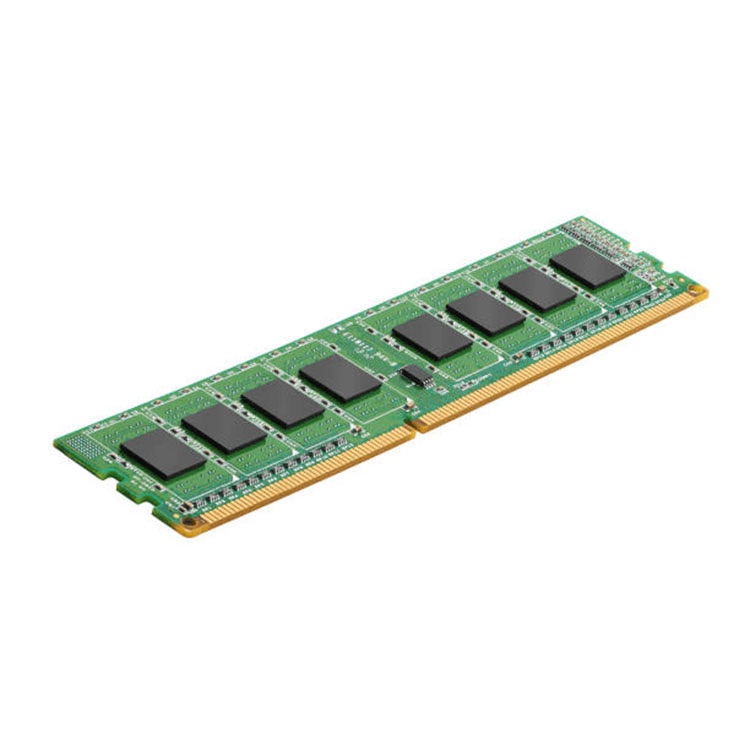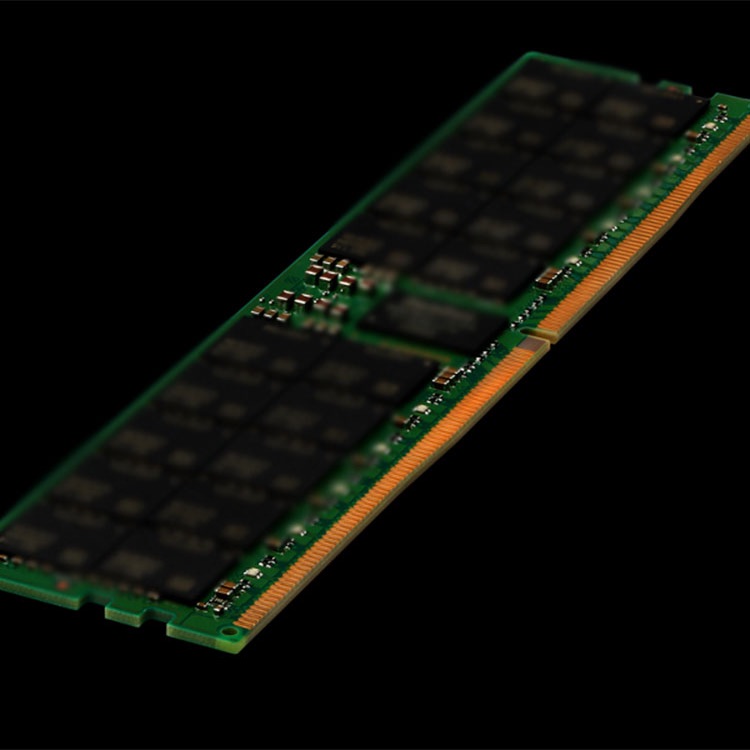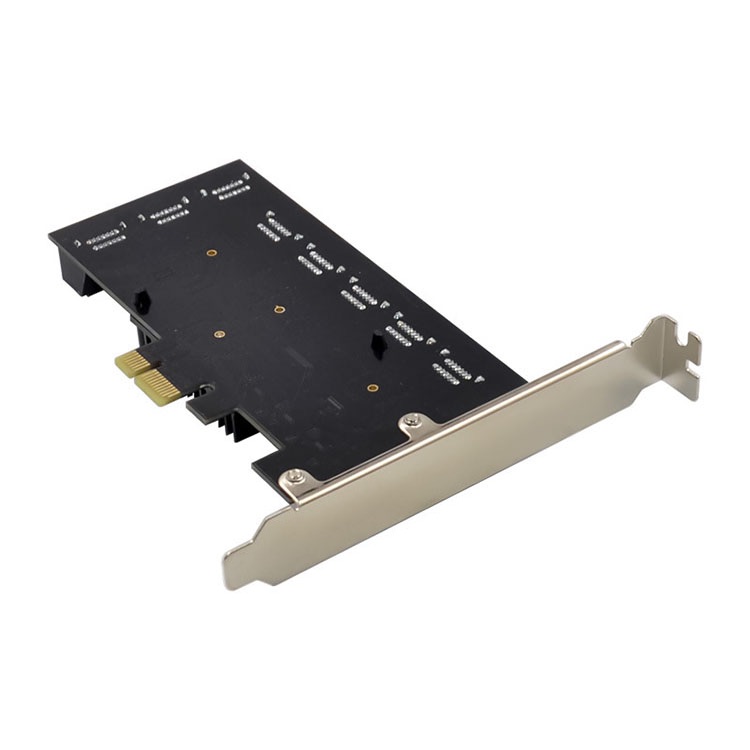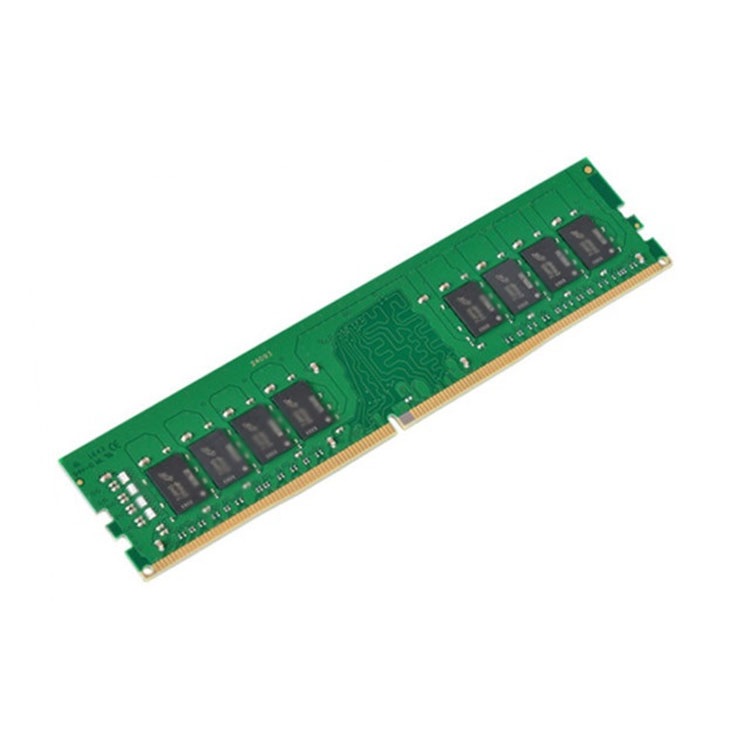


Buyers are not really asking for “server RAM.” They are asking for exact-fit part numbers, traceable modules, supported configurations, and stock that will not collapse after PO approval. Here is the demand pattern hiding behind the quote requests.

Two memory modules can look identical on a quote sheet and still ship weeks apart. The reason is not magic. It is allocation, validation, binning, part-number control, and supplier honesty.

Legacy server RAM is not disappearing because old servers stopped mattering. It is disappearing because fabs, distributors, hyperscalers, recyclers, and procurement teams are all pulling in different directions at the same time.

Edge servers fail differently than data center servers. This guide explains how to plan a server memory upgrade that respects latency, thermals, ECC reliability, DIMM configuration, and real procurement constraints.

GPUs get the budget, the press release, and the executive attention. But system memory still decides whether a GPU server build feeds accelerators cleanly or quietly turns expensive hardware into an idle, throttled, swap-heavy mess.

ERP and database teams often blame CPU, storage, or “slow SQL” when the real bottleneck is simpler: the working set no longer fits in memory. This article explains why SAP HANA, SQL Server, Oracle Database In-Memory, and other enterprise systems depend on large memory capacity.

A virtualization memory upgrade is not just “add more RAM.” In dense VMware, Hyper-V, VDI, database, and private-cloud clusters, the real risks are bad VM memory capacity planning, unsafe overcommit assumptions, mixed DIMM lots, unbalanced channels, and skipping failover math.

Unbalanced dual-socket server memory is not just a neatness problem. It can reduce memory bandwidth, increase remote NUMA access, create unstable latency, and turn a clean hardware upgrade into a performance investigation nobody budgeted for.

Most slow computers do not need a new CPU first. They need a hard look at memory pressure, paging, workload size, memory channels, ECC requirements, and whether the current system is starving the processor.

The easy mistake is treating all server RAM as interchangeable. File servers and compute nodes live under different pressure. One protects I/O flow; the other feeds execution. Buy memory like those jobs are the same, and the invoice will teach you the difference.

VDI memory sizing fails when teams count users instead of working sets. Here is a blunt, field-style guide to server RAM for VDI, with formulas, sizing examples, failover headroom, and procurement traps that hurt uptime.

Most database servers do not need the fastest memory first. They need enough validated, compatible RAM to keep the real working set in memory, avoid paging, and protect uptime. But there are exceptions, and expensive ones.

ServerDimm supplies new and used branded server memory for distributors, OEM buyers, resellers, and data center teams. We support DDR4 and DDR5 sourcing with tested inventory, compatibility checks, and responsive quote service.
Copyright © 2026 Shenzhen Lux Telecommunication Technology Co.,Ltd. All rights reserved