

Can BIOS or firmware affect memory compatibility? Yes. In many real systems, firmware decides whether RAM trains, downclocks, reports correctly, or refuses to boot. This guide explains what actually happens behind the screen.

Server DIMM population order is not a neat little motherboard ritual. It decides whether your expensive RDIMMs use the available memory channels properly or crawl through an unbalanced configuration that procurement accidentally created.

Server memory downclock is usually not a defect. It is the platform enforcing electrical, topology, rank, and BIOS rules that buyers should have checked before filling every DIMM slot.

Buying server memory is not about picking the cheapest DIMM with the right capacity sticker. This guide explains how to choose server RAM by platform compatibility, ECC support, module type, density, validation evidence, supply risk, and real workload requirements.

A server that refuses to detect memory is usually not “mysterious.” It is telling you something about slot population, firmware, CPU memory channels, DIMM type, rank, part-number confusion, or a bad module. Here is how I would investigate it before blaming the RAM.

Most server memory orders do not fail because RAM is mysterious. They fail because buyers trust capacity, speed stickers, and vague “compatible with” claims instead of checking the platform, module class, rank, density, and population rules that OEMs and data center operators treat as non-negotiable.

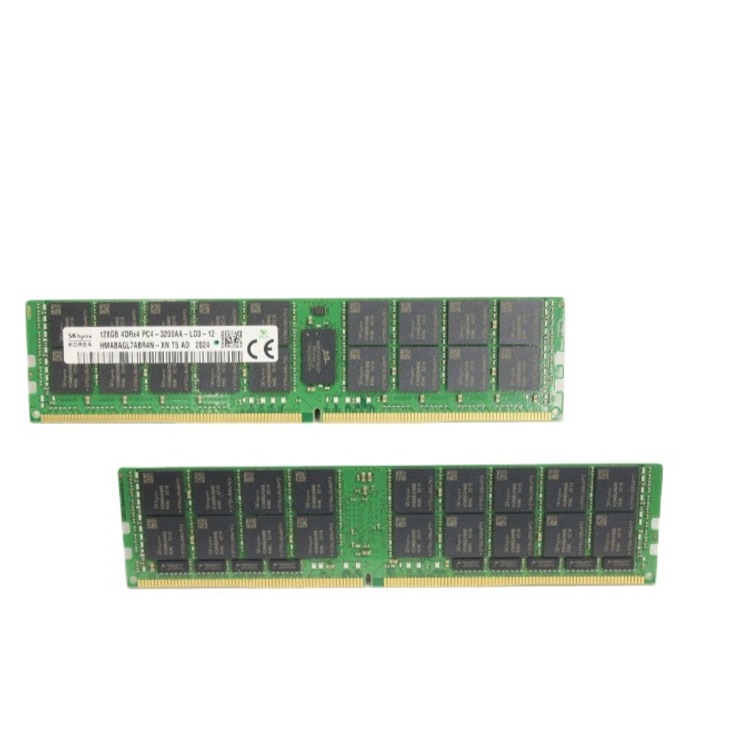
Most buyers read server memory labels like they are shopping for consumer RAM. That is how projects get burned. This guide shows how I read a server memory part number in the real world, what each field means, where buyers get fooled, and which details you should force into every quote before you approve a PO.

Mixing server RAM is possible only inside strict platform rules. The real risk is not the brand logo; it is type, generation, ECC behavior, rank, capacity layout, CPU socket symmetry, BIOS support, and whether the server silently downclocks or refuses to boot.

Most teams buy server RAM the wrong way. They chase MT/s, ignore DIMM population rules, skip pilot validation, and then act surprised when the host downclocks, throws ECC noise, or still performs badly because capacity was the real bottleneck.

OEM labels are built for procurement systems. DRAM manufacturer part numbers are built for technical truth. If you mix them up, you do not just risk a messy spreadsheet. You risk buying the wrong DIMM, misreading traceability, and paying a premium for a module you still cannot actually identify.

Most teams compare server RAM the wrong way. This piece strips the sales varnish off DDR4 vs DDR5 server memory and shows what actually matters: platform support, bandwidth, density, pricing pressure, validation, and operational risk.

Most buyers still shop server RAM by capacity first. That is backwards. This article shows how to verify server memory compatibility the way OEM manuals, data center operators, and experienced procurement teams actually do it.

ServerDimm supplies new and used branded server memory for distributors, OEM buyers, resellers, and data center teams. We support DDR4 and DDR5 sourcing with tested inventory, compatibility checks, and responsive quote service.
Copyright © 2026 Shenzhen Lux Telecommunication Technology Co.,Ltd. All rights reserved