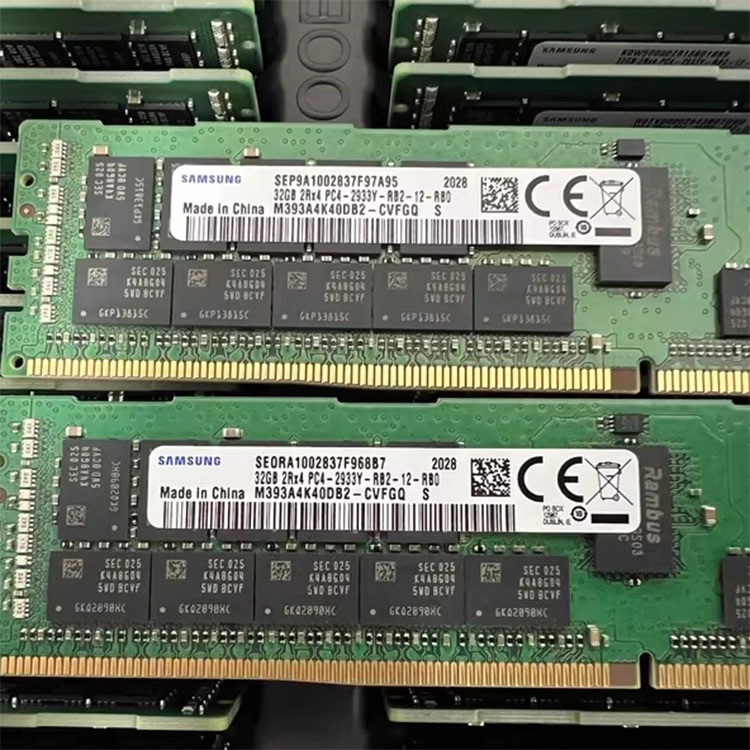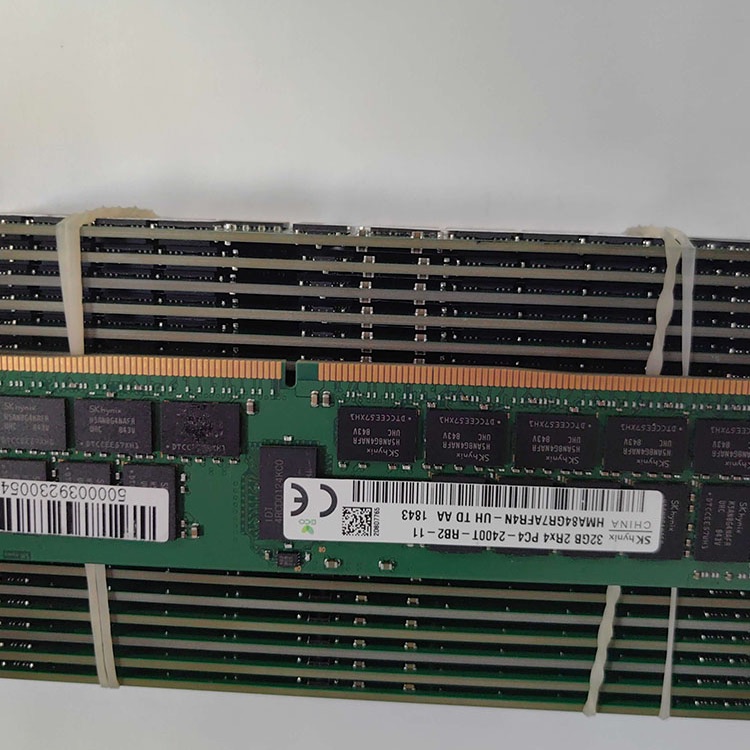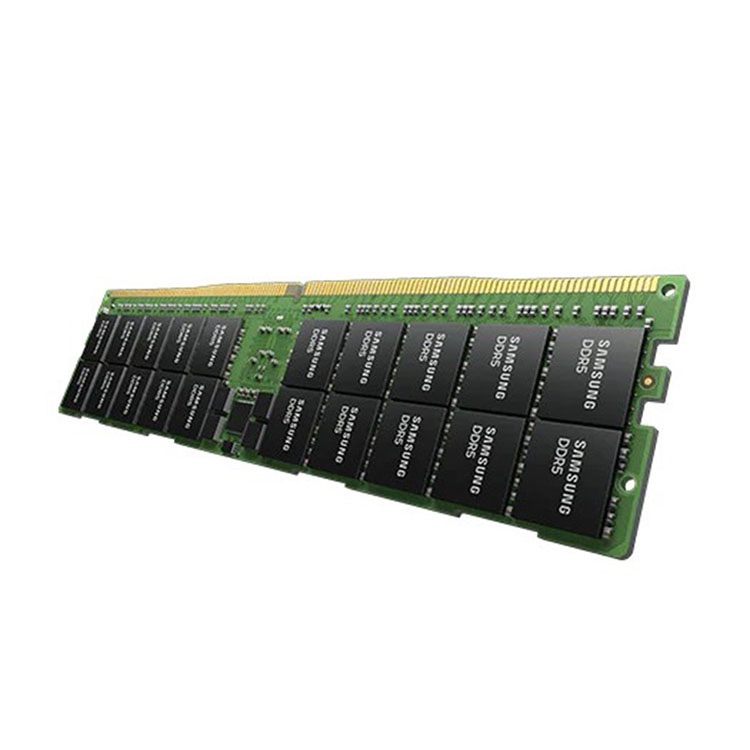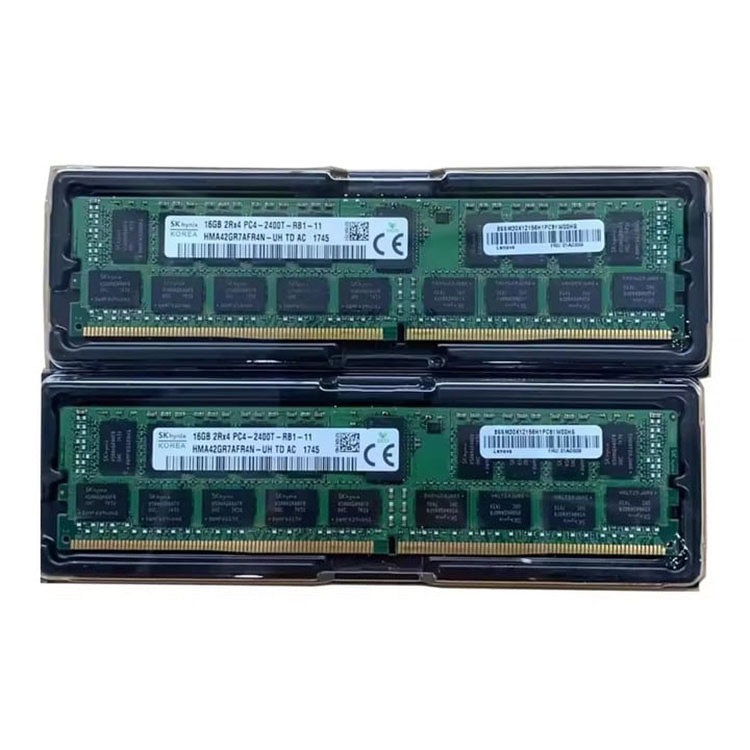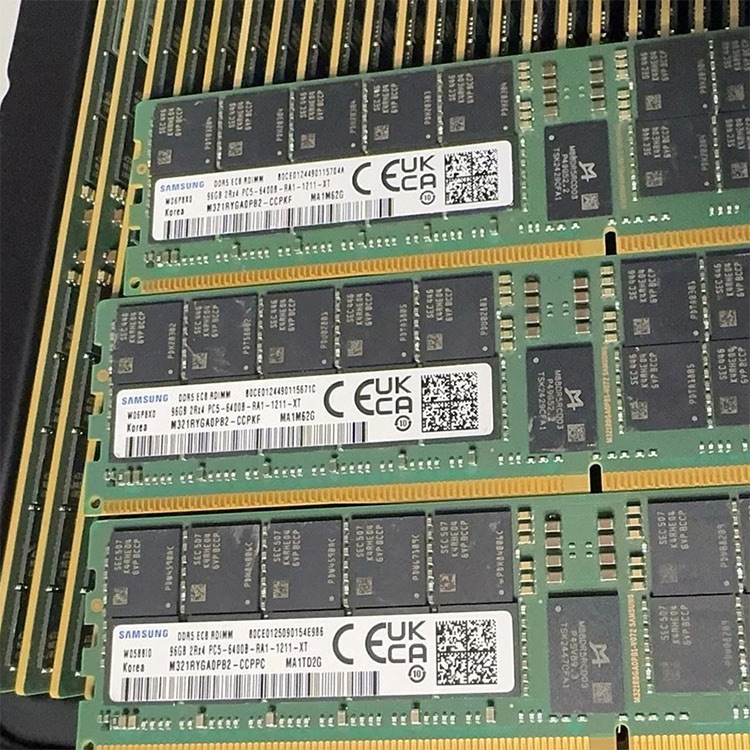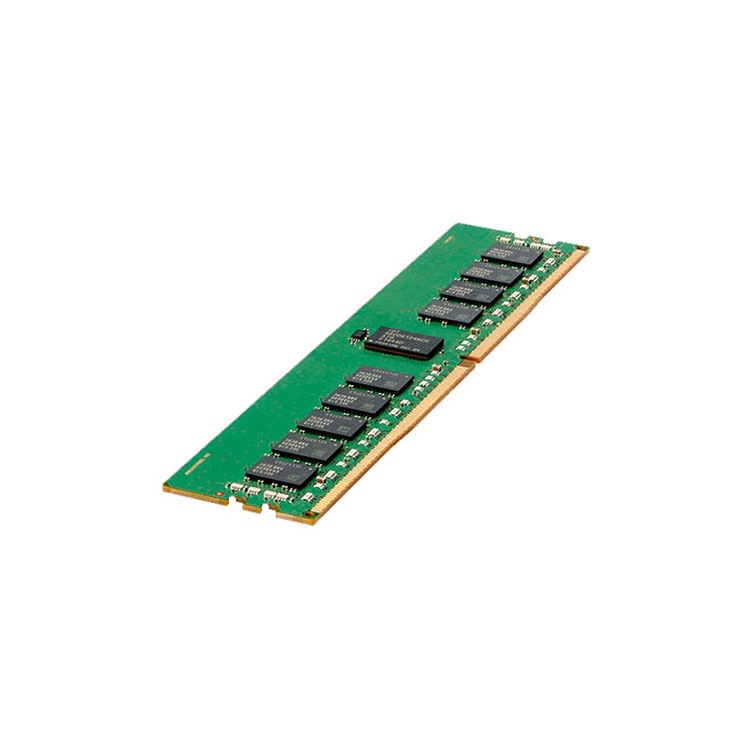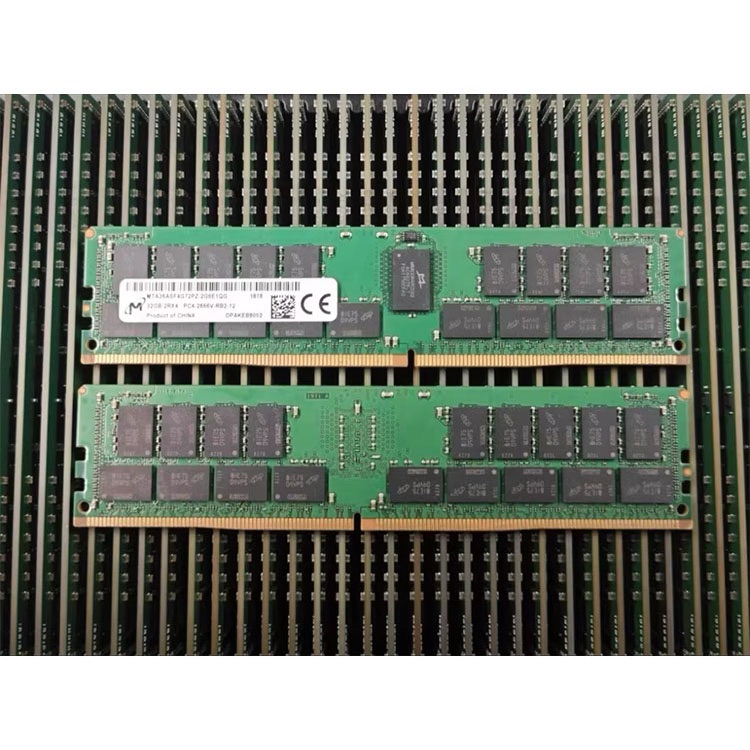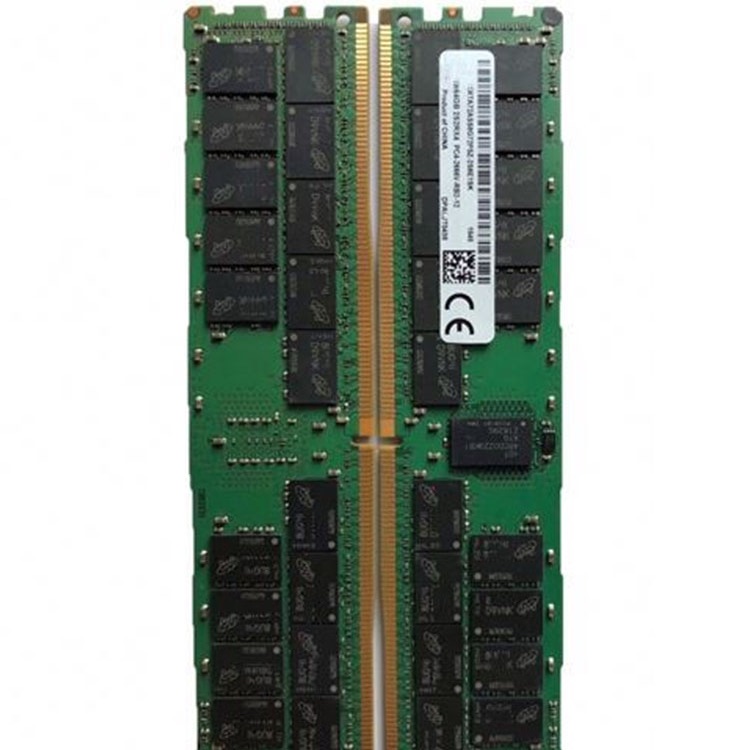


I have seen too many teams junk stable servers because they confuse age with failure. This case study breaks down a budget server upgrade that targets the real bottleneck, uses tested used DDR4 where it makes sense, and treats compatibility and process discipline as the difference between savings and self-inflicted downtime.

Most server RAM vendors can win a quote. Very few can survive a two-year buying cycle, a bad RMA month, and a sudden DRAM spike without turning your procurement team into a hostage. This is the scorecard I use.

OEM labels are built for procurement systems. DRAM manufacturer part numbers are built for technical truth. If you mix them up, you do not just risk a messy spreadsheet. You risk buying the wrong DIMM, misreading traceability, and paying a premium for a module you still cannot actually identify.

This is the blunt version of the server RAM market. I looked at the live ServerDimm catalog, cross-checked recent market data, and mapped where demand is really landing across DDR4, DDR5, ECC RDIMM, LRDIMM, and the early MRDIMM tier.

Most buyers still pay for packaging instead of proof. This guide shows when new server memory deserves the premium, when tested used memory is the smarter move, and which screening steps separate a disciplined data center buy from a cheap mistake.

Bulk memory rollouts rarely blow up because RAM is mysterious. They blow up because teams skip the small, disciplined pilot that exposes BIOS mismatches, bad batches, downclocking, and weak support processes before the whole estate is touched.

Most teams compare server RAM the wrong way. This piece strips the sales varnish off DDR4 vs DDR5 server memory and shows what actually matters: platform support, bandwidth, density, pricing pressure, validation, and operational risk.

Memory generation transitions are not marketing events. They reshape pricing, platform compatibility, lead times, warranty exposure, and negotiation power. Here is what skeptical buyers need to know before the next DDR4, DDR5, or NAND shift hits their budget.

Most enterprises are asking the wrong question. The real choice is not “new or used?” but “validated or wishful thinking?” Here’s when tested used server memory beats new on economics and availability, and when new memory still deserves the premium.

Most teams do not run out of assigned RAM. They run out of honest capacity planning. Here is how to size virtualization host memory the way operators should, using working sets, host reserve, failover headroom, and real platform behavior instead of vendor fairy tales.

Most buyers still shop server RAM by capacity first. That is backwards. This article shows how to verify server memory compatibility the way OEM manuals, data center operators, and experienced procurement teams actually do it.

ServerDimm supplies new and used branded server memory for distributors, OEM buyers, resellers, and data center teams. We support DDR4 and DDR5 sourcing with tested inventory, compatibility checks, and responsive quote service.
Copyright © 2026 Shenzhen Lux Telecommunication Technology Co.,Ltd. All rights reserved