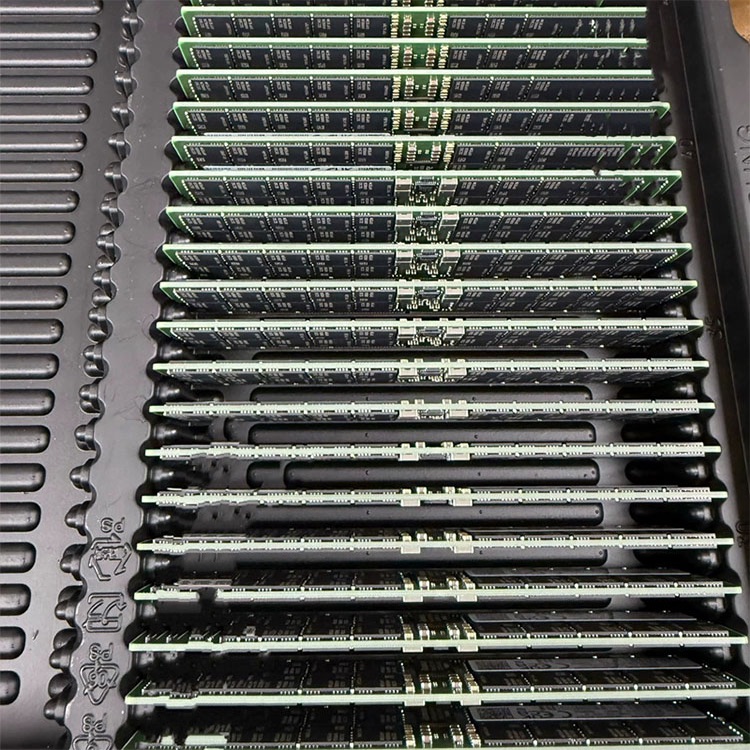
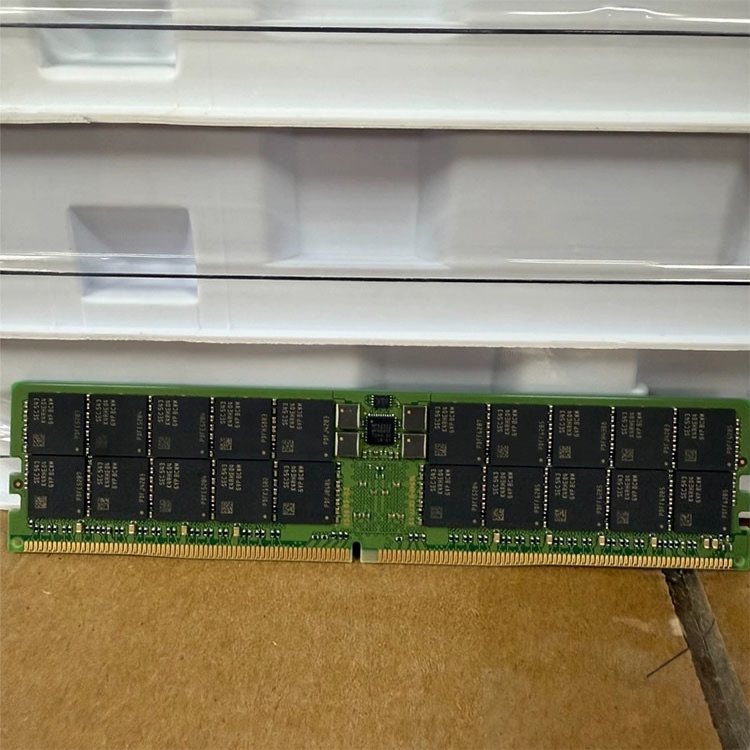
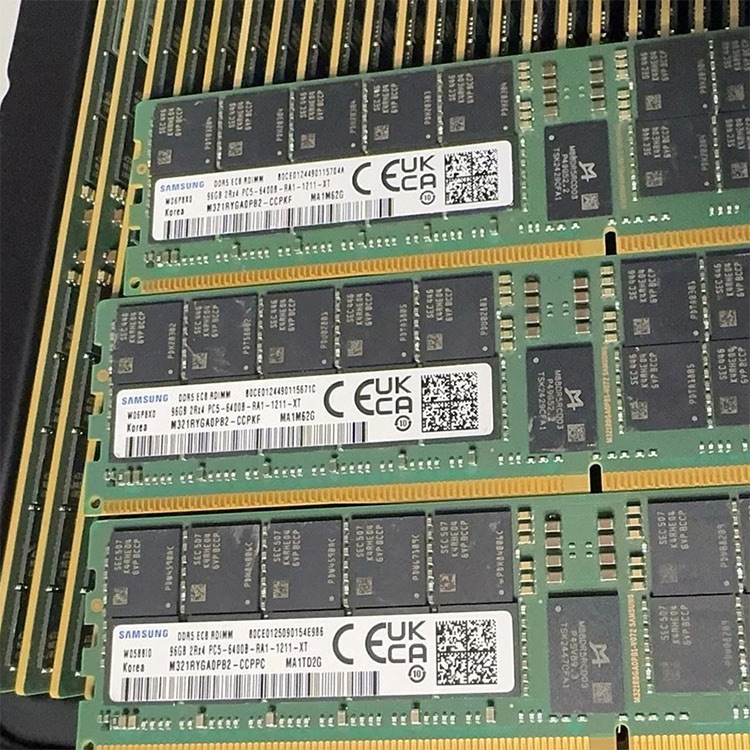
How Should Tested Used Server Memory Be Validated?
Used server memory is not risky because it was used. It becomes risky when nobody can prove how it was tested, matched, logged, packed, and supported after failure.
“Tested” Means Nothing Until the Evidence Shows Up
Proof beats polish.
I do not care whether a seller calls it tested used server memory, refurbished server memory, pulled ECC RAM, data center take-out memory, or “enterprise-grade stock”; if the module arrives with no part-number trail, no SPD verification, no platform check, no ECC error record, and no written RMA path, the word “tested” is just a label printed over uncertainty.
Would you let that into a production cluster?
Here is my hard opinion: used server memory is not the problem. Bad validation is the problem. A Samsung 64GB DDR4-3200 2Rx4 ECC RDIMM, a Micron DDR5-5600 RDIMM, or an SK Hynix LRDIMM can be perfectly usable after prior deployment. But only if the supplier can prove what the module is, where it fits, how it behaved under testing, and what happens if it fails in your rack.
That is why buyers should not treat tested used DDR4 server memory like a cheap line item. Treat it like infrastructure evidence.
The Memory Error Data Is Uglier Than Sales Teams Admit
Google’s famous field study, DRAM Errors in the Wild, analyzed memory errors across a large fleet for 2.5 years and found more than 8% of DIMMs affected by errors per year, with error rates far above earlier assumptions.
That should scare lazy buyers.
But it should not scare serious operators away from used server memory. The lesson is not “never buy used ECC RAM.” The lesson is that server RAM testing must be boring, repeatable, and documented. ECC memory exists because errors happen. RDIMM and LRDIMM validation matters because platform behavior changes by CPU generation, memory controller, population map, rank, speed, and firmware.
The Alibaba production-data study from 2022 went further, using an eight-month dataset from more than three million memory modules in production data centers to analyze the relationship between DRAM errors and server failures. The researchers found that correctable DRAM errors tied to many server failures appeared only shortly before those failures, which means one-time testing is useful, but ongoing operational monitoring still matters.
So ask yourself the ugly question: if hyperscale operators study memory behavior this closely, why are some buyers still accepting “100% tested” in a quote with no details?
My Validation Rule: Identity First, Stress Second, Warranty Third
A used DIMM must be identified before it is trusted. That sounds obvious. It is not.
I have seen quote sheets where “32GB DDR4 ECC” was treated like a complete specification. It is not. That phrase can hide different brands, ranks, speeds, voltages, layouts, registered versus load-reduced types, and server compatibility traps. Close enough is how maintenance windows become arguments.
A real memory module validation process starts with identity:
Correctable error count, uncorrectable error events, SEL/mcelog/EDAC review where applicable
Error-log statement or platform test note
Any UE appears during validation
Lot discipline
Matching brand, PN, speed, rank, and generation for bulk orders
Lot grouping and packing list
Mixed modules are hidden inside one SKU
Warranty path
DOA period, replacement rules, RMA timing, freight responsibility
Written warranty terms
Warranty depends on vague email promises
If the supplier already explains quality testing and warranty support for server memory, good. That does not prove every lot is perfect. It does show the supplier understands that testing, warranty, compatibility, and RMA are one workflow, not four marketing tabs.
The Counterfeit Risk Is Not Academic
Here is another hard truth: the secondary component market has real garbage in it.
NIST SP 800-161 Rev. 1 warns that organizations face supply-chain risks from products that may be counterfeit, vulnerable, poorly manufactured, or affected by reduced visibility into how technology is developed, integrated, and deployed. That warning is not aimed only at spies and routers. It applies to the procurement habits around every ICT component, including memory modules.
This is where tested used server memory gets unfairly blamed. The honest used market is not the enemy. The enemy is the anonymous lot with inconsistent labels, impossible date codes, swapped stickers, erased provenance, no RMA terms, and a seller who suddenly becomes philosophical when you ask for photos.
So I want traceability. Not poetry.
For used ECC RAM, I would ask for:
Exact manufacturer part numbers, not generic descriptions
Brand separation: Samsung, Micron, SK Hynix, Kingston, HPE, Dell-approved equivalents
Module type: ECC RDIMM, LRDIMM, or ECC UDIMM where relevant
And yes, if the job is an exact-match DDR4 expansion, I would rather buy a well-documented used Micron 64GB DDR4-3200 RDIMM than a mystery “new bulk” module with no clean paper trail.
New vs Tested Used Server Memory Is a Procurement Decision, Not a Moral Test
This part annoys people.
Some buyers act as if new memory is always clean and used memory is always suspect, but that is procurement theater; the real question is whether the memory fits the workload, the server platform, the budget, the risk tolerance, and the required evidence standard.
Google reported that in 2024 it harvested approximately 8.8 million components from decommissioned hardware for reuse or resale, and that 44% of components used for Google-managed server builds, maintenance, and upgrades came from reused inventory. (Sustainability) Microsoft also said it reached a 90.9% reuse and recycling rate for servers and components in 2024.
So spare me the romance of shrink-wrap.
Reuse is already inside serious infrastructure programs. The difference is discipline. Google and Microsoft do not treat reused hardware like a flea-market bin. They use process, traceability, secure handling, validation, and operational controls. That is the standard buyers should demand from the used server memory channel.
If your deployment is a dense new DDR5 platform with 96GB or 128GB RDIMMs, strict audit requirements, and a multi-year growth plan, start with new DDR5 server memory sourcing. If you are extending an existing DDR4 estate, building a spare pool, replacing failed modules, or matching installed capacity across older servers, read the practical tradeoff between new vs tested used server memory.
Different job. Different answer.
The Validation Workflow I Would Actually Trust
Step 1: Confirm the server platform before quoting
Do not start with price. Start with the machine.
For a Dell PowerEdge R740, HPE DL380 Gen10, Lenovo SR650, Cisco UCS C240, or Supermicro X12 platform, the supplier should ask for server model, CPU generation, current memory layout, target capacity, installed part numbers, and whether the system already uses RDIMM or LRDIMM.
If they skip compatibility, I get suspicious.
Step 2: Match the module, not just the capacity
“64GB DDR4 ECC” is not enough. A real validation file should show full part numbers such as MTA36ASF8G72PZ, M393A8G40MB2, HMAA8GR7AJR4N, or equivalent manufacturer-level identification. The buyer needs rank, speed, voltage, organization, generation, and module type.
Server memory validation dies in the details.
Step 3: Read SPD data and compare it against the label
The SPD EEPROM is not magic, but it is useful. I want the supplier to read and compare SPD data against the physical label and quote sheet. If the label says one thing and the SPD profile says another, the lot does not move forward.
That mismatch is not a clerical issue. It is a trust issue.
Step 4: Run actual stress testing, not decorative testing
A serious test should verify capacity, addressability, stability under load, and error behavior. Depending on the environment, that may include platform boot validation, memory diagnostic passes, burn-in screening, and review of ECC-related logs.
One pass is not a religion. Ten passes are not a guarantee. The point is that the supplier should be able to explain what was done, why it was done, and what threshold makes a module fail.
Step 5: Separate correctable errors from uncorrectable errors
ECC correctable errors are signals. Uncorrectable errors are alarms.
A used ECC RAM module that produces uncorrectable errors during validation should not be shipped as normal stock. Correctable errors need context: count, recurrence, slot behavior, platform behavior, and whether the error follows the module. A one-off platform log and a repeatable module fault are not the same thing.
This is where experienced server RAM testing separates itself from box-checking.
Step 6: Pack and label the lot like the receiving team matters
Bad packaging can turn good memory into bad inventory. Anti-static bags, tray discipline, lot labels, module grouping, and packing lists matter. A buyer receiving 200 pieces of DDR4-3200 ECC RDIMM should not need to become a detective at the loading dock.
The validation file should survive shipment.
Step 7: Put warranty terms in writing before the purchase order
Warranty is confession.
If a supplier believes in its testing, it can define DOA handling, RMA timing, replacement rules, exact-match expectations, and escalation steps. If the supplier refuses, the buyer is not buying low-cost memory. The buyer is buying an argument.
This is also where a long-term supplier matters. A company that behaves like a supply partner, not a one-time broker, should be able to discuss server memory supplier evaluation before chasing the lowest number.
Why This Matters More in 2026 Than It Did Five Years Ago
The economic pressure is getting worse.
Reuters reported in January 2026 that memory prices were expected to jump 40% to 50% in Q1 after a 50% surge the prior year, driven by tight supply and AI-related demand pressure. Reuters’ memory-chip price report makes the obvious point: when prices spike, buyers start hunting alternatives, and weak suppliers start dressing up weak stock.
At the same time, the U.S. Department of Energy reported that data centers consumed about 4.4% of U.S. electricity in 2023, with projected demand reaching 6.7% to 12% by 2028. That growth puts more pressure on refresh cycles, spare pools, power budgets, and hardware reuse decisions.
So no, validation is not a warehouse detail. It is procurement risk control.
Used server memory can save money. It can shorten lead times. It can support legacy platforms. It can reduce waste. But only when the validation process is stronger than the discount.
FAQs
What is tested used server memory?
Tested used server memory is previously deployed enterprise RAM, usually ECC RDIMM or LRDIMM, that has been removed from servers, inspected, identified by exact part number, tested for stability, checked for compatibility, and resold with documented condition, validation evidence, and warranty support. It is not just “second-hand RAM.” It is reuse with controls.
How should used server memory be validated?
Used server memory should be validated through physical inspection, exact part-number confirmation, SPD data reading, platform compatibility review, stress testing, ECC error-log checks, lot grouping, anti-static packing, and written warranty terms before shipment. The buyer should receive enough evidence to confirm identity, fit, function, and post-sale accountability.
Is refurbished server memory the same as tested used server memory?
Refurbished server memory is a broad selling term, while tested used server memory should describe a specific validation process covering source condition, module identity, ECC behavior, compatibility, test results, packaging, and replacement policy. I trust the process more than the adjective because “refurbished” can mean anything without evidence behind it.
How long should server RAM testing run before shipment?
Server RAM testing should run long enough to verify full capacity, stable addressing, repeated load behavior, platform boot compatibility, and clean ECC results under the supplier’s documented screening method. There is no universal magic number of hours, because the right test length depends on module type, lot risk, density, and deployment use case.
What evidence should buyers request before purchasing used ECC RAM?
Buyers should request exact manufacturer part numbers, label photos, SPD verification, module type, rank, capacity, speed, lot grouping, server compatibility notes, stress-test method, ECC error status, warranty terms, and RMA procedure before purchasing used ECC RAM. If the seller cannot provide this, the price should be treated as risk-adjusted, not cheap.
Your Next Step: Demand the Validation File Before the Quote
Do this now.
Before you ask for the lowest price on used server memory, send the supplier your server model, CPU generation, current DIMM part number, target capacity, required quantity, and preferred brand. Then ask for the validation file: label proof, part-number match, SPD confirmation, test method, ECC result statement, packing discipline, and written warranty terms.
ServerDimm supplies new and used branded server memory for distributors, OEM buyers, resellers, and data center teams. We support DDR4 and DDR5 sourcing with tested inventory, compatibility checks, and responsive quote service.