How to Evaluate a Long-Term Server Memory Supply Partner
Most server RAM vendors can win a quote. Very few can survive a two-year buying cycle, a bad RMA month, and a sudden DRAM spike without turning your procurement team into a hostage. This is the scorecard I use.
I think too many procurement teams still evaluate a server memory supplier like they are buying office chairs, which is why they obsess over unit price, ask for a pretty PDF, and then act shocked when the vendor cannot hold part-number continuity, replacement speed, or paperwork quality once the market tightens and the second or third order lands.
Does that sound familiar?
I have watched buyers spend an hour arguing over $4 on a 32GB ECC RDIMM and not ask a single serious question about lot traceability, SPD consistency, date codes, or cross-ship policy. That is backwards. A long-term partner is not the vendor who wins Tuesday’s quote. It is the vendor who still looks competent in month nine, when your Dell PowerEdge R750, HPE ProLiant DL380 Gen10, Lenovo SR650 V2, or Supermicro X13 fleet needs the same validated memory profile again.
The market punishes lazy buying. According to Reuters on January 5, 2026, prices in some memory segments had more than doubled since February 2025, and according to Reuters on January 22, 2026, Counterpoint expected memory prices to jump another 40% to 50% in Q1 2026, after a 50% surge the year before. When that happens, weak suppliers start improvising. Strong suppliers start performing.
The hard due diligence file I ask for before I trust anyone
Paper matters.
A long-term server RAM supplier should be able to give you a clean, boring, verifiable file that ties together sourcing, validation, commercial terms, and post-sale accountability, because the real risk in server memory procurement is almost never “Can they ship a DIMM?” and almost always “Can they keep shipping the right DIMM, with the right evidence, when conditions get ugly?”
Why do buyers keep settling for adjectives?
Traceability beats branding
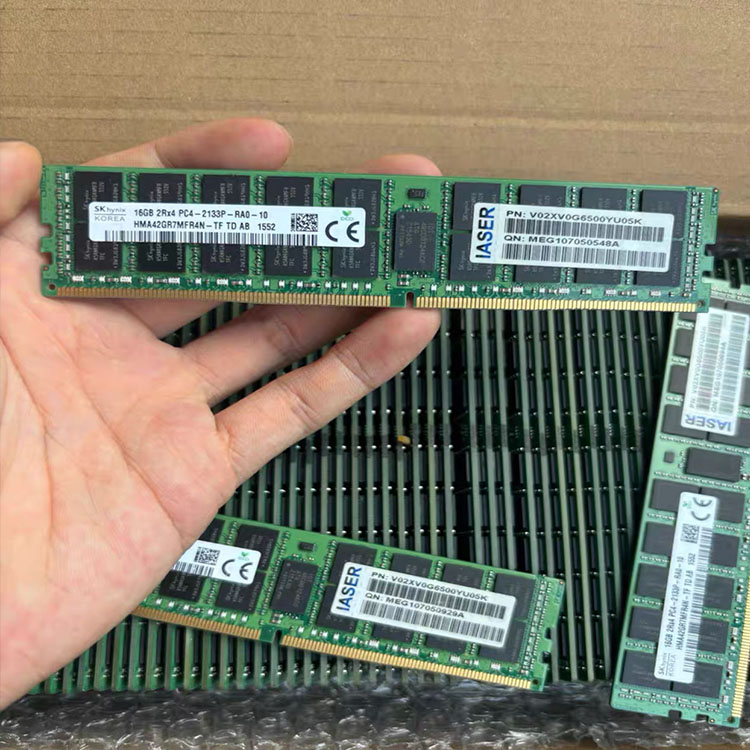
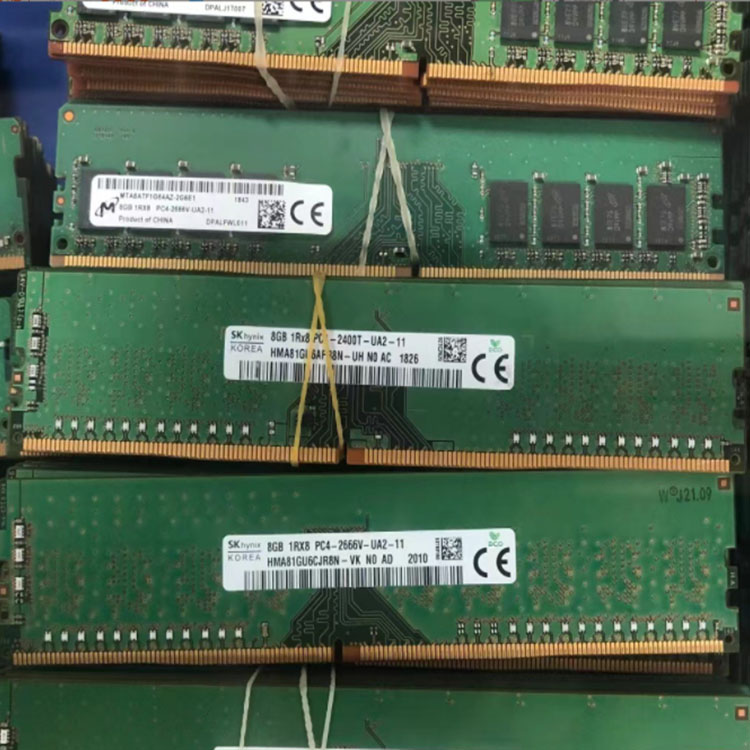
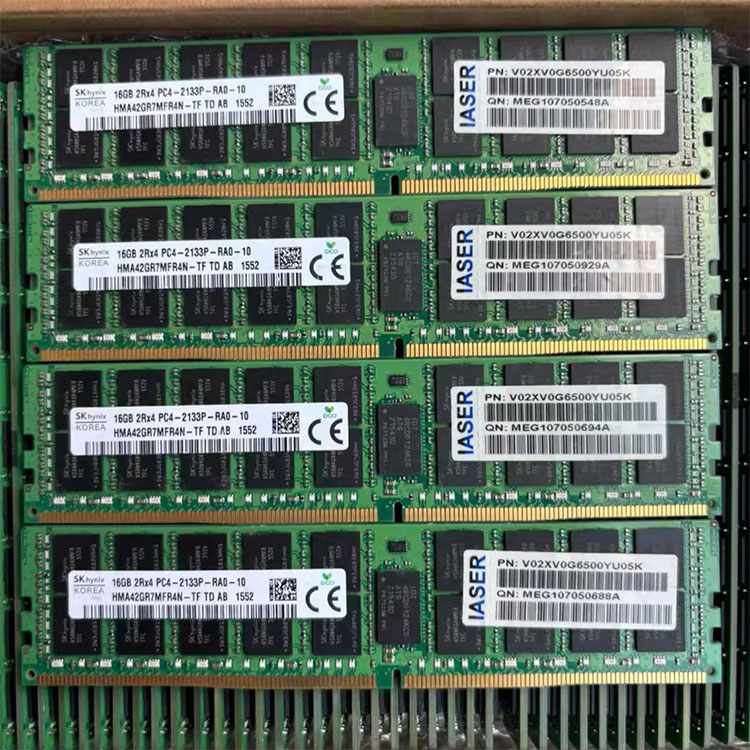
A supplier saying “Micron,” “Samsung,” or “SK Hynix” means very little unless they can connect those brand claims to specific part numbers, date codes, ranks, speeds, and inventory condition. I want exact manufacturer part numbers, high-resolution label photos, quantity by lot, and a clear statement on whether the stock is new, pull-tested, mixed-lot, or blended across channels.
NIST is saying the quiet part out loud. On its Semiconductor Traceability and Provenance Workshop page, published for January 27, 2026, NIST warned that counterfeit components, malicious tampering, and opaque sourcing threaten the security, reliability, and resilience of critical systems. That is not abstract policy language. That is your PO risk.
So ask the rude question: where did these modules come from, exactly?
Testing must be operational, not decorative
I do not care about vague phrases like “100% tested” unless the seller can explain the test path in plain English. Was the module read for SPD data? Was capacity verified? Was ECC behavior checked? Was it screened in platform-relevant conditions? Was the lot matched by rank, speed bin, and module type such as ECC UDIMM, RDIMM, or LRDIMM? Was there any burn-in or failure screening before shipment?
This is not paranoia. In Google’s landmark study DRAM Errors in the Wild, more than 8% of DIMMs were affected by errors per year, and observed DRAM error rates were far higher than the industry had long assumed. I do not read that and conclude “all memory is bad.” I read it and conclude that sloppy validation is expensive.
Warranty language tells you what the supplier really believes
Warranty is confession.
If a seller hides the RMA clock, refuses to define DOA handling, avoids advance replacement terms, or cannot explain who pays freight on a dead-on-arrival Micron MTC20F2085S1RC48BA1R 16GB DDR5-4800 or a 64GB 2Rx4 DDR4-3200 ECC RDIMM, that supplier is telling you how much pain they expect after the sale.
Do they cross-ship or make you wait? Do they replace by exact part number or “equivalent”? Do they accept lot-level disputes? Do they define the response window in business days? That is what a reliable server memory supplier looks like under pressure.
My scorecard for a long-term server memory supply partner
Use a table.
I do not score suppliers on charisma, and I do not care how polished the account manager sounds on Zoom, because long-term supply quality shows up in repeat-order behavior, traceability, and how the vendor reacts when you ask for evidence instead of mood.
Evaluation factor
What good looks like
What bad looks like
Why I care
Part-number traceability
Exact manufacturer PN, lot visibility, date-code clarity, label photos
“Compatible with” language, mixed descriptions, no provenance
SPD readout, screening workflow, lot matching, pre-shipment validation
“100% tested” with no method
Decorative testing is not testing
New vs used policy
Clear split between new stock and tested used stock, with use-case guidance
Everything is called “refurbished”
I want honesty, not cosmetics
Warranty and RMA
Written DOA policy, turnaround SLA, exact-match replacement rules
Fuzzy promises, email-only disputes
This is the pain index of the supplier
Forecast support
Can hold or reserve stock against 30/60/90-day plans
Pure spot-market behavior
Long-term supply dies without planning
Market honesty
Says when DDR5 is tight, when DDR4 is easier, and when lead times are unstable
Always claims “ready stock”
I trust inconvenient truth more than polished fiction
Documentation
Quote includes capacity, speed, module type, rank, condition, brand, PN
Half-complete quote sheets
Bad documents create expensive confusion
Commercial discipline
Clear Incoterms, payment terms, returns handling, and escalation path
Surprise fees and shifting terms
Supply risk often hides in the fine print
I would weight the first five rows the heaviest. Not because price does not matter. Because price without control is fake savings.
New memory, tested used memory, and the lie buyers tell themselves
This part annoys people.
A lot of enterprise buyers still treat new memory as morally superior and tested used memory as suspect, even though real operators care about continuity, fit, and recovery speed more than ritual purity. That attitude belongs in marketing, not procurement.
Want proof?
Google states on its Sustainable & Efficient Operations page that in 2024 it harvested approximately 8.8 million components from decommissioned hardware, and that 44% of components used for Google-managed server builds, maintenance, and upgrades came from reused inventory. Microsoft wrote in April 2025 on its Microsoft Cloud Blog that it reached a 90.9% reuse and recycling rate of servers and components in 2024 and reused more than 3.2 million components through internal and external channels.
So why are mid-market buyers still pretending reuse is exotic?
My view is simple. If you are building fresh DDR5 capacity, adding 96GB or 128GB modules, or operating in an audit-heavy environment, I lean toward DDR5 server memory programs and documented new supply. If you are extending DDR4 estates, building spare pools, or supporting older platforms where exact-match continuity matters more than shrink-wrap, I often prefer the logic in new vs tested used server memory.
That is not ideology. It is fit.
And the best enterprise server memory supplier usually supports both paths, because the real world is mixed: DDR4-2400, DDR4-2666, DDR4-2933, DDR4-3200, DDR5-4800, DDR5-5600, 16GB, 32GB, 64GB, 96GB, 128GB, Micron, Samsung, Kingston, SK Hynix, pull-tested spares, and current-gen project stock all coexisting in the same buying program.
Why would you want a one-note supplier in a multi-era environment?
The numbers make the argument, not the sales deck
Look at the math.
No, the biggest outages are not all caused by memory modules, and anyone who says that is overselling the case, but the operational numbers still destroy the lazy idea that supplier quality is a side issue, because the cost of process failure in infrastructure buying is wildly larger than the savings from shaving a few dollars off a DIMM line.
According to Uptime Institute’s Annual Outage Analysis 2025, 54% of respondents said their most recent significant outage cost more than $100,000, and one in five said it cost more than $1 million. According to the U.S. Department of Energy in December 2024, U.S. data centers consumed 176 TWh in 2023, or 4.4% of total U.S. electricity, and that could rise to 325-580 TWh by 2028.
That tells me two things.
First, server memory procurement is not a clerical task anymore, because the operating context around data center hardware is too expensive, too power-dense, and too unforgiving. Second, long-term vendor selection is now part technical validation, part risk control, and part commercial continuity planning.
I will put it more bluntly. If a vendor cannot answer hard questions about traceability, testing, and RMA discipline, I assume they are a short-term broker, not a long-term server memory supply partner. And I do not hand long-lived infrastructure programs to short-lived thinking.
The call I would run before issuing the first purchase order
Ask better questions.
Here is the call structure I use, because it forces a server memory supplier to reveal whether they are organized or just fluent.
Question one: Can you map my installed memory to exact replacement options?
I want the supplier to confirm current part numbers, server model, ECC type, rank, speed, density, voltage, and whether the target platform will allow mixed populations. If they do not start with compatibility, they are not serious.
Question two: Can you separate what is new, what is tested used, and what is blended inventory?
I want honesty by bucket. Not “all excellent condition.” Not “all original.” Bucket it cleanly.
Question three: Can you support a 90-day forecast, not just today’s spot quote?
A reliable server memory supplier should have a view on continuity. Not certainty. Just a view.
Question four: What happens if 3% of a lot fails or mismatches after deployment?
This question makes weak vendors squirm. Good. It should.
Question five: Can you provide sample evidence now?
I want label photos, part-number list, testing description, warranty terms, and lead-time assumptions before the first PO. That is the price of admission.
And if the supplier wants to position itself as a long-term partner, I also expect its public site to reflect that posture, not just its sales inbox. A page like Built for Branded Server Memory Supply and Long-Term Partnerships helps, because it signals the company understands repeat-order coordination instead of just one-off trading.
FAQs
What is a long-term server memory supply partner?
A long-term server memory supply partner is a vendor that can repeatedly deliver verified, compatible DDR4 or DDR5 modules across multiple buying cycles, while maintaining traceable sourcing, lot consistency, forecast support, clean documentation, and dependable RMA execution when pricing, availability, or platform requirements change.
That last part matters most. Any broker can find 64GB ECC RDIMM this week. The partner earns the title when the same buyer comes back in 60 or 180 days and gets the same competence, not a new excuse.
How do you evaluate a server memory supplier?
Evaluating a server memory supplier means scoring the vendor across traceability, compatibility support, test evidence, new-versus-used inventory honesty, warranty terms, forecast discipline, and documentation quality, then checking whether those claims still hold when you ask for exact part numbers, lot data, and post-sale escalation rules.
I would never evaluate on price alone. Price is a snapshot. Supplier quality is behavior over time.
Is tested used server memory acceptable for enterprise procurement?
Tested used server memory is enterprise-grade memory that has already been deployed once, then re-screened, part-number matched, and sold for maintenance, spare-pool, or expansion use cases where exact fit, availability, and cost control often matter more than factory-fresh packaging or latest-generation branding.
In my opinion, rejecting tested used memory on reflex is lazy buying. Reject bad validation, not honest reuse.
What should a server memory supplier include in a serious quote pack?
A serious server memory quote pack is a documented offer that lists exact manufacturer part numbers, capacity, speed, ECC type, RDIMM or LRDIMM format, rank, inventory condition, quantity by lot when possible, warranty terms, lead time assumptions, and the supplier’s replacement or RMA process.
If that information is missing, the quote is not ready. It is just bait.
When should I choose a DDR5 server memory supplier over a mixed DDR4/DDR5 partner?
You should choose a DDR5 server memory supplier when your program centers on new-generation platforms, higher-density modules such as 64GB, 96GB, or 128GB DDR5 ECC RDIMM, stricter documentation demands, and longer continuity needs tied to new infrastructure rollouts instead of legacy maintenance or mixed-fleet support.
But if your estate spans both eras, I usually prefer a supplier that can manage DDR4 and DDR5 without turning either side into an afterthought.
Your next move should be tougher than your last one
Do this now.
Take your current shortlist of server RAM suppliers and ask each one for five things within 24 hours: three exact part numbers, one sample test explanation, one written RMA flow, one 60- to 90-day availability view, and one clean answer on whether they can support both current demand and repeat demand. Then compare the replies, not the promises.
That exercise alone will expose the difference between a quote chaser and a real partner.
And if you want readers to take a practical next step on this site, send them to talk to the server memory supply team only after they have read the compatibility, warranty, and new-versus-used pages. Better buyers ask better questions. Better questions produce better suppliers.
ServerDimm supplies new and used branded server memory for distributors, OEM buyers, resellers, and data center teams. We support DDR4 and DDR5 sourcing with tested inventory, compatibility checks, and responsive quote service.