How to Explain Tested Used Server Memory to Your Customers
Used server memory is not the problem. Unverified server memory is the problem. Here is how I would explain tested used server RAM to skeptical customers without sounding defensive, vague, or cheap.
I have watched smart buyers reject perfectly rational used server memory because the seller led with price instead of proof, and once the word “used” hits the room before testing, compatibility, part-number control, and warranty terms, the buyer starts imagining mystery pulls from dead machines in a dusty bin. Can you blame them?
So here is the hard truth: customers do not fear used server RAM. They fear being the person who approved a bad batch.
That is the real conversation.
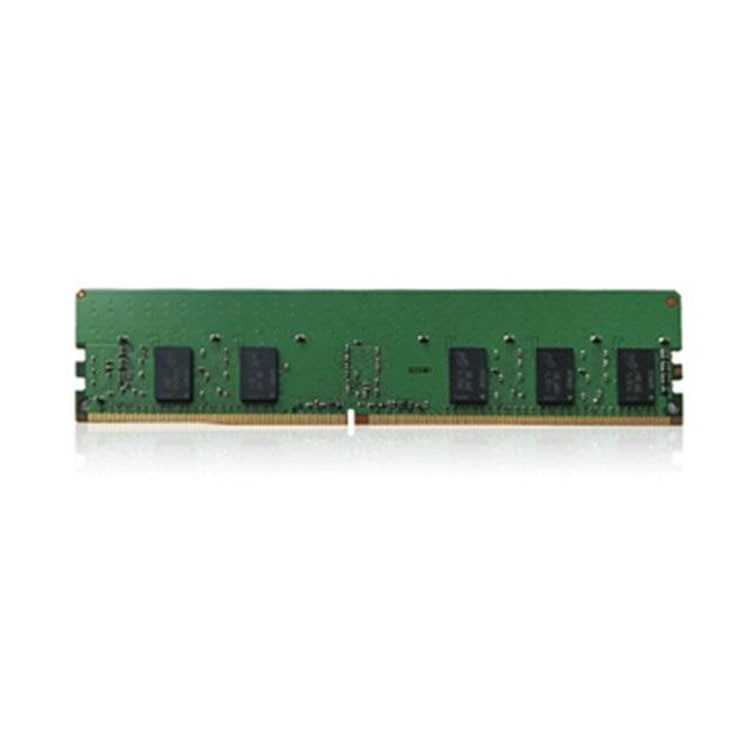
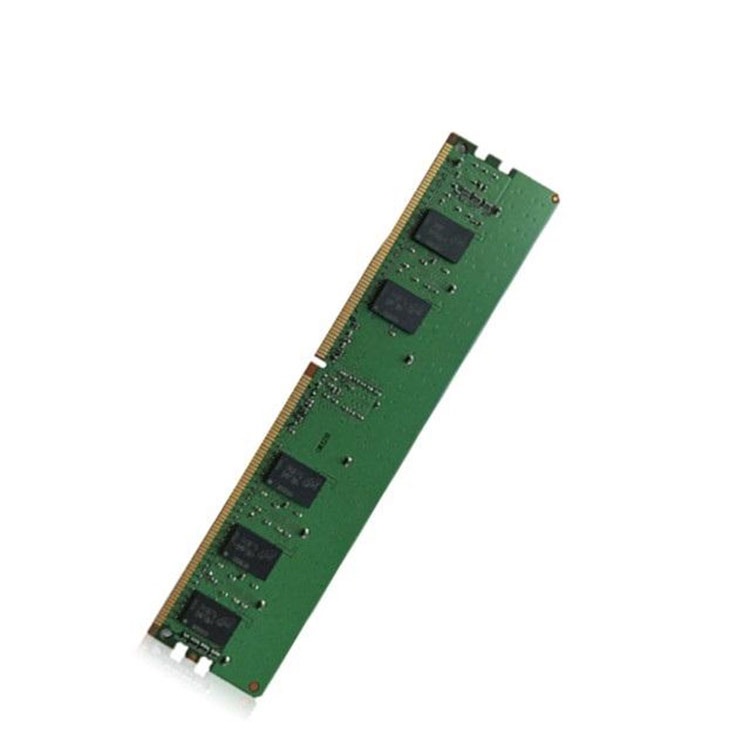
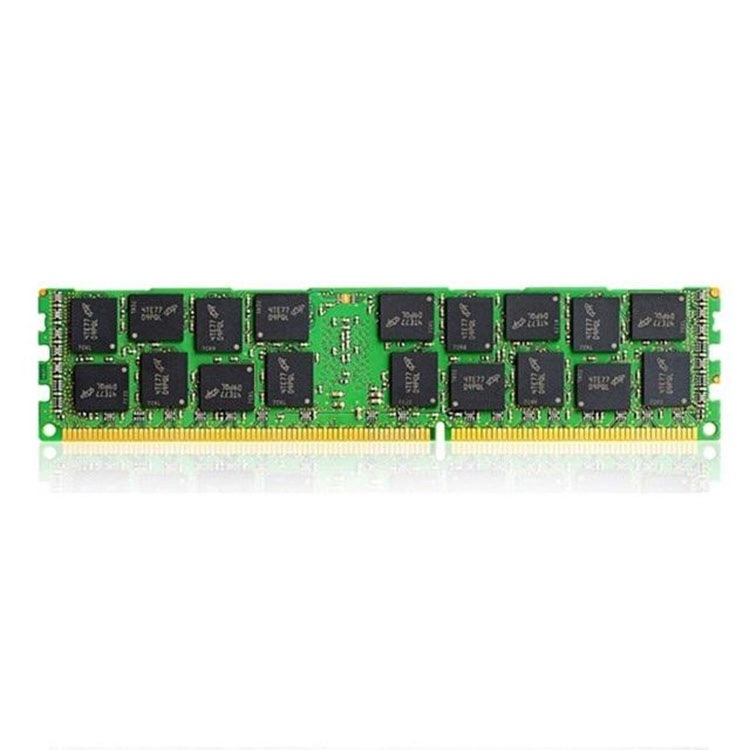
When I explain tested used server memory, I do not start with “affordable.” That sounds like compromise. I start with evidence: exact part number, generation, rank, speed, ECC behavior, RDIMM or LRDIMM type, test method, cosmetic inspection, lot consistency, anti-static packing, and what happens if one module fails during deployment.
A customer buying 64GB DDR4-2933 2Rx4 ECC RDIMM modules for a Dell PowerEdge R740, HPE ProLiant DL380 Gen10, Lenovo ThinkSystem SR650, or Supermicro 2U platform is not buying “memory.” They are buying uptime, a maintenance-window bet, and a promise that the DIMMs will not turn a simple upgrade into a late-night incident call.
That is why I would position used DDR4 server memory inventory as controlled enterprise supply, not bargain-bin hardware. And for newer platforms, I would frame used DDR5 server memory inventory around density, platform generation, and validation discipline, especially for 32GB, 64GB, 96GB, and 128GB module planning.
Don’t Sell “Used.” Sell the Chain of Custody.
Nobody wants mystery.
The phrase “tested used server memory” only works when the seller can explain what was tested, how it was identified, which compatibility facts were checked, and what commercial backup exists after the invoice, because professional buyers have been burned before by mixed lots, vague labels, speed downclocking, and modules that fit the slot but fail the platform rules. What exactly are you asking the customer to trust?
I would break it down like this:
Tested used server memory is enterprise memory that has already lived in a server environment but has been re-identified, inspected, and screened before resale. Refurbished server memory is often used as a broader commercial phrase, but the better phrase is “tested used server memory” because it puts the burden where it belongs: on validation.
Not on vibes.
Not on a brand logo.
Not on “it came from a working pull.”
The strongest explanation is simple: “This is not new memory, and we are not pretending it is. We are saying it is identified, checked, and sold with known specifications and support terms.”
That sentence lowers tension because it sounds honest.
For ServerDIMM, I would naturally point buyers to the server memory quality testing and warranty support page when the customer asks, “How do I know this is safe?” That page fits the conversation because it focuses on specification review, ECC RDIMM validation, pre-shipment screening, platform matching, warranty communication, and RMA handling.
The Evidence Customers Actually Believe
A skeptical customer does not need poetry. They need proof.
In Google’s large-scale study, DRAM Errors in the Wild, researchers analyzed memory errors across a large fleet of commodity servers over 2.5 years and many millions of DIMM-days; the uncomfortable lesson is that memory errors are real operational events, not imaginary edge cases invented by cautious infrastructure teams.
That matters.
If memory failures happen in production fleets, then the question is not whether “used” is emotionally acceptable. The question is whether the module has been screened and whether the buyer understands the risk controls.
The environmental case is also stronger than many hardware sellers admit. Reuters reported on the UN’s 2024 e-waste findings that global e-waste reached 62 million metric tons in 2022, up 82% from 2010, with projections pointing toward 82 million metric tons by 2030. Reuse is not charity. In enterprise hardware, reuse can be a financially rational way to extend platform life while reducing unnecessary disposal.
But here is where I get opinionated: do not oversell the sustainability angle if your testing story is weak.
Customers can smell that.
A procurement manager may like the circular-economy argument, but if the lot is mixed, the labels are unclear, and the warranty answer sounds improvised, the “green IT” pitch collapses fast. Sustainable hardware still has to boot.
For compatibility, I would quote the industry plainly. Kingston’s server memory guidance says different memory types such as UDIMM, RDIMM, LRDIMM, and MRDIMM generally cannot be mixed in the same system, and DDR4 and DDR5 are not socket compatible. That is not marketing trivia; it is the difference between a clean install and a dead maintenance window. See Kingston’s server memory compatibility guidance.
How I Would Explain It in a Sales Call
Say this:
“Used server memory is not risky because it was used. It becomes risky when nobody can prove the specification, test path, lot condition, compatibility fit, and warranty process.”
Then stop talking.
Let that land.
The amateur seller keeps explaining until the customer gets more suspicious, while the professional seller answers the hidden fear directly: “Will this module work in my server, and if it does not, will you stand behind it?”
Here is the explanation I would give to a reseller, distributor, system integrator, or data center buyer:
“We treat used server RAM as a controlled component, not a commodity scrap item. Before quoting, we confirm the server model or platform, DDR4 or DDR5 generation, ECC requirement, RDIMM or LRDIMM type, capacity per module, target total capacity, preferred brand, part number, rank, and quantity. Then we align available tested inventory against the platform requirement instead of assuming that same-capacity DIMMs are interchangeable.”
That is the core.
For buyers who still need education before quote stage, I would send them to the complete guide to buying server memory because it reinforces the right mental model: server memory buying is about compatibility, ECC behavior, density, validation evidence, and supply continuity, not just the lowest sticker price.
The Comparison Table Customers Need Before They Trust You
Customer Concern
Weak Seller Answer
Strong Tested Used Server Memory Answer
“Is this reliable?”
“Yes, it works.”
“It is inspected, identified by exact part number, screened before shipment, and sold with warranty/RMA terms.”
“Is it compatible?”
“It is DDR4 64GB, so it should fit.”
“We check server model, CPU generation, ECC requirement, RDIMM/LRDIMM type, rank, speed, density, and population rules.”
“Is it the same as refurbished server memory?”
“Basically, yes.”
“Refurbished is a broad market phrase; tested used server memory is better explained through documented validation and support.”
“Can I mix it with existing modules?”
“Probably.”
“Only if generation, module type, rank, speed, voltage, and platform rules allow it; unsupported mixing can cause boot failure or downclocking.”
“Why not buy new?”
“Used is cheaper.”
“New is better for certain standardization programs; tested used is often rational for legacy expansion, budget-controlled refresh, and repeat DDR4/DDR5 sourcing.”
“What proof do I get?”
“Trust us.”
“You should ask for specification confirmation, lot clarity, test process, packing method, warranty scope, and RMA workflow.”
This table is where many sellers quietly fail.
They answer with adjectives. Buyers need controls.
Stop Apologizing for Used Server RAM
I dislike defensive selling.
When a seller says, “It’s used, but…” the buyer hears guilt. A better structure is: “This is tested used server memory, which means the value depends on identification, validation, compatibility review, and support. Here is what we check.”
That is cleaner.
The best tested used server memory explanation should include five proof points:
1. Specification Identity
The customer needs exact module identity, not a loose description.
A serious quote should include brand, capacity, generation, speed, rank, module type, and part number when available. “64GB DDR4” is not enough. “64GB DDR4-2933 ECC RDIMM 2Rx4” is better. A manufacturer part number such as M393A8G40MB2-CVF, HMAA8GR7CJR4N-WM, MTA36ASF8G72PZ, or equivalent gives the buyer something real to verify.
2. Platform Fit
Server memory is platform-dependent hardware.
The same capacity can behave differently across Dell PowerEdge R640/R740/R750, HPE ProLiant DL360/DL380 Gen10, Lenovo ThinkSystem SR630/SR650, Cisco UCS, and Supermicro systems because CPU generation, BIOS, memory channel rules, DIMM population order, RDIMM/LRDIMM support, and speed limits all matter.
3. ECC and Module Type
ECC server memory is not a decorative phrase.
ECC means error-correcting code behavior is part of the integrity story, while RDIMM and LRDIMM describe how the module interacts electrically with the memory controller. Customers often blur those terms. Do not let them.
A blunt explanation helps: “ECC tells you about error handling. RDIMM or LRDIMM tells you about module architecture. DDR4 or DDR5 tells you generation. Capacity tells you only one part of the story.”
4. Testing and Screening
Testing is product.
For used server memory, the test process is not an afterthought; it is the reason the buyer can consider the item at all. Visual inspection catches obvious damage, label verification catches identity problems, platform or diagnostic testing catches functional issues, and batch organization reduces mixed-lot surprises.
This is where ServerDIMM buying and sourcing tips can support the sales conversation because sourcing advice should answer risk, not just price.
5. Warranty and RMA Terms
Every buyer eventually asks the ugly question: “What if a module fails?”
Have the answer ready. Warranty scope, replacement process, reporting requirements, and response expectations should be discussed before payment. After failure is the worst time to discover that nobody defined the process.
The Industry’s Dirty Secret: Lowest Price Creates Expensive Problems
Here is my unpopular view: some buyers ask for failure.
They pressure suppliers for the cheapest possible used server RAM, ignore part-number discipline, mix brands and ranks without a plan, skip pilot testing, and then blame the word “used” when the deployment becomes unstable. Is the module the problem, or was the buying process reckless?
I would never tell a customer that tested used memory is always the right choice.
It is not.
New server memory makes sense when a customer needs long-term standardization, OEM-approved configuration, strict vendor policy, warranty alignment with a new server estate, or a greenfield platform that will scale for years. Tested used server memory makes sense when a customer is expanding a stable DDR4 estate, matching an existing configuration, supporting legacy infrastructure, managing budget limits, or buying repeat lots from a supplier that can document the basics.
For bulk customers, the right move is to start at the bulk server memory supplier page and send a structured request: server model, current configuration, target capacity, DDR4 or DDR5, RDIMM or LRDIMM, acceptable brands, part numbers, quantity, destination, and warranty expectations.
A messy inquiry gets a messy quote.
A clean inquiry gets a usable answer.
Scripts Your Team Can Use With Customers
When the Customer Says “Used Sounds Risky”
“Used server memory can be risky when the source cannot explain the part number, platform fit, test process, and warranty path. We treat tested used server memory as a validated supply option for the right server environment, especially when customers need cost control, DDR4 continuity, or matched enterprise memory modules.”
When the Customer Says “Why Is It Cheaper?”
“It is cheaper because it is not new retail inventory, not because the specification disappears. The price advantage comes from reuse and secondary-market supply, while the buying decision should still be based on compatibility, ECC support, test screening, lot clarity, and replacement terms.”
When the Customer Says “Can I Mix It With What I Have?”
“Maybe, but we should not guess. Please send the existing module label, server model, CPU generation, current slot population, and target capacity. We need to confirm DDR4 or DDR5 generation, ECC RDIMM or LRDIMM type, rank, speed, and supported configuration before recommending a match.”
When the Customer Says “Is Refurbished Server Memory the Same Thing?”
“Sometimes the market uses refurbished server memory and tested used server memory loosely, but we prefer to explain the process instead of hiding behind labels. The useful question is not the adjective; it is whether the memory was identified, inspected, tested, packed correctly, and backed by support.”
FAQs
What is tested used server memory?
Tested used server memory is pre-owned enterprise RAM that has been identified by part number, inspected, matched against platform requirements, and screened through diagnostic or platform-level testing before resale, so customers can judge it by evidence rather than by the emotional baggage of the word used.
In simpler terms, it is used server RAM with a verification story. The better the documentation, the easier it is for a reseller, system integrator, or data center buyer to approve it.
How do you explain used server memory to customers?
You explain used server memory by shifting the conversation from age to evidence: exact specification, ECC support, RDIMM or LRDIMM type, DDR4 or DDR5 generation, rank, speed, platform compatibility, testing method, lot consistency, packing quality, warranty scope, and RMA process.
Do not lead with “cheap.” Lead with control. Price is the benefit after the customer understands why the module is not a blind risk.
Is tested used server RAM reliable?
Tested used server RAM can be reliable when it is correctly identified, screened, matched to the server platform, handled with anti-static discipline, and sold with clear replacement terms, but it should never be treated as automatically safe just because it came from a known brand.
The honest answer is that reliability depends on process. Samsung, Micron, SK Hynix, and Kingston labels matter, but validation matters more.
What is the difference between ECC server memory and normal RAM?
ECC server memory is enterprise RAM designed to detect and correct certain memory errors, while normal desktop RAM usually lacks that same error-correction function and is not built around server platform rules, multi-channel population plans, uptime expectations, or validated RDIMM and LRDIMM configurations.
For customers, the practical point is simple: ECC is part of the data-integrity argument. It does not replace testing, but it belongs in the discussion.
When should customers choose tested used server memory instead of new memory?
Customers should choose tested used server memory when they need cost-controlled expansion, legacy DDR4 support, matched replacement modules, repeat B2B supply, or practical lifecycle extension for stable platforms that do not justify a full refresh to new DDR5 server infrastructure.
They should choose new memory when policy, OEM warranty alignment, long rollout horizons, or strict standardization makes new inventory the safer procurement path.
Final Thoughts: Teach the Buyer How to Trust the Evidence
The best way to explain tested used server memory is to stop defending the word “used” and start proving the process.
Show the customer the exact module identity. Confirm DDR4 or DDR5. Confirm ECC server memory requirements. Confirm RDIMM or LRDIMM support. Confirm rank, speed, density, and population rules. Explain server memory testing in plain language. Put warranty and RMA terms in writing.
Then ask for the real requirement.
If you are sourcing for a reseller, data center refresh, system integrator project, or bulk enterprise memory upgrade, send ServerDIMM the server model, current module label, target capacity, acceptable brands, quantity, destination, and timeline. Start with the relevant DDR4 tested used server memory or DDR5 tested used server memory category, then use the quality and warranty support page to frame the questions before you quote.
ServerDimm supplies new and used branded server memory for distributors, OEM buyers, resellers, and data center teams. We support DDR4 and DDR5 sourcing with tested inventory, compatibility checks, and responsive quote service.