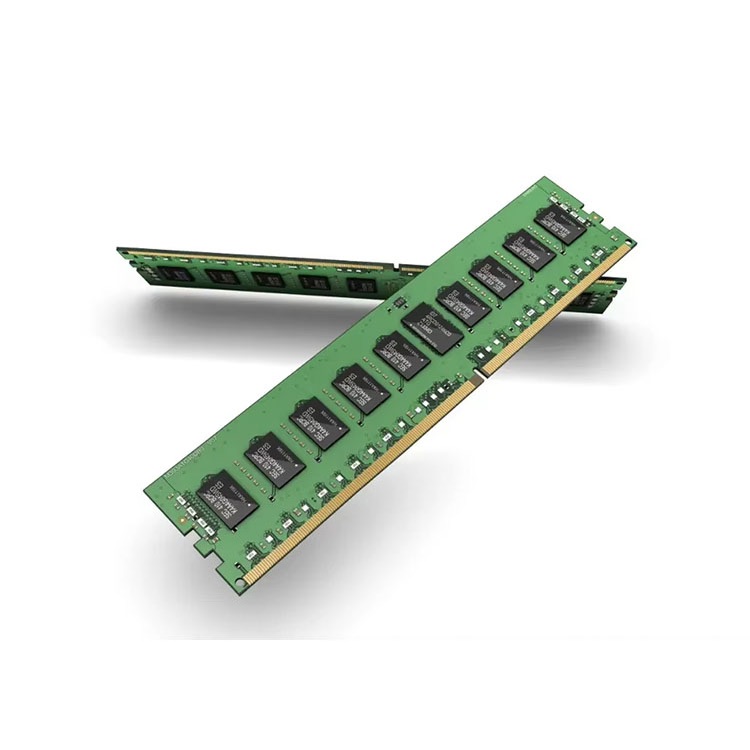
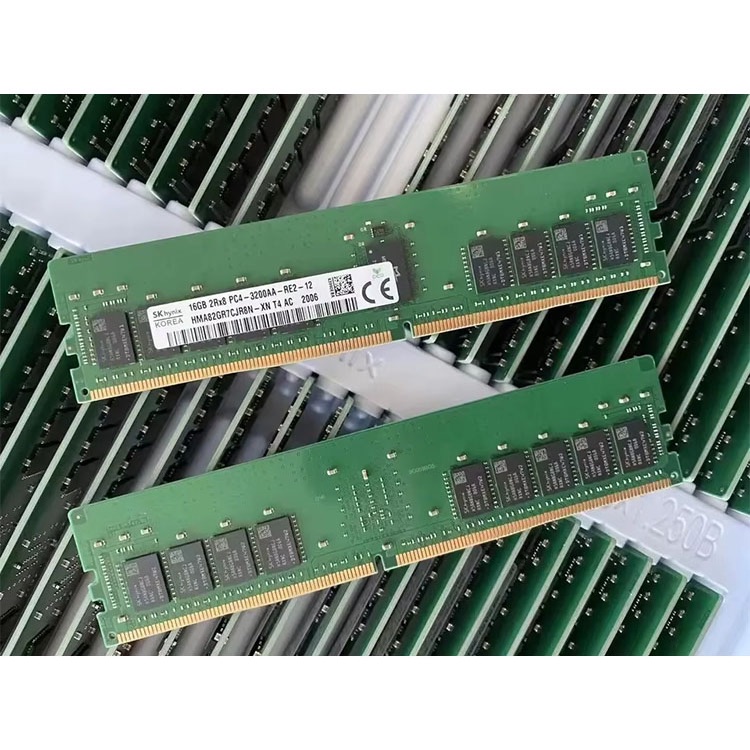
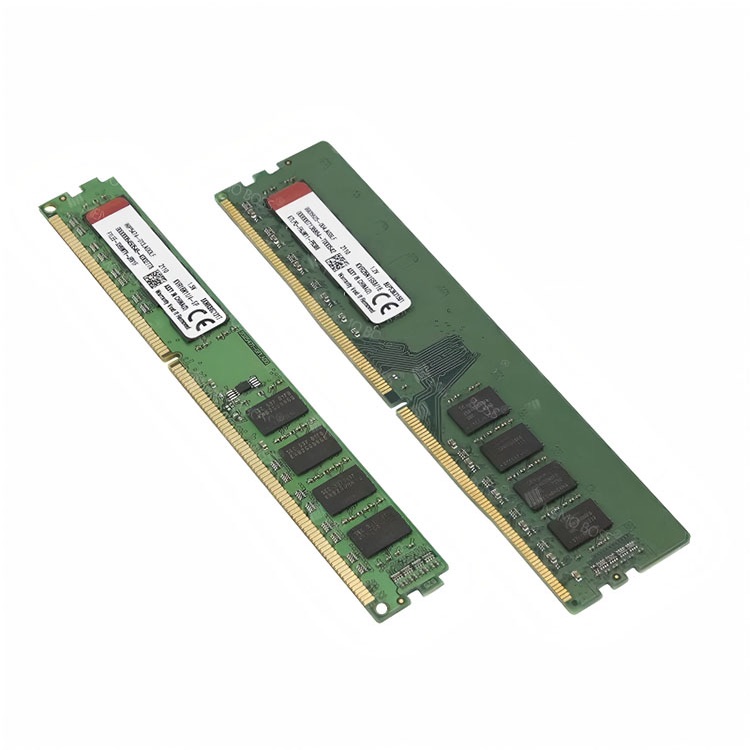
Tested used server memory can be safe, but only when the seller proves compatibility, part-number traceability, ECC validation, pre-shipment screening, and warranty support. The real danger is not “used.” The danger is undocumented memory sold by vendors who hide behind vague testing claims.
The Short Answer Nobody in the Broker Market Wants to Say Clearly
Yes, tested used server memory can be safe to buy.
Testing beats mythology.
But only when the supplier can prove what the module is, where it fits, how it was screened, what condition bucket it belongs in, and what happens when a DIMM throws correctable ECC errors after deployment, because “used” is not the scary word here; “unverified” is.
So why do buyers still act like factory-new packaging is a substitute for evidence?
I do not buy the lazy argument that all Used Server Memory is risky. That is a beginner’s position. I also do not buy the opposite fantasy that all Tested Used Server Memory is fine because someone ran a quick diagnostic and printed a clean label. Both views are weak.
The real question is sharper: was the module validated for your server platform, your workload, and your procurement risk tolerance?
For a Dell PowerEdge R750, HPE ProLiant DL380 Gen10, Lenovo ThinkSystem SR650 V2, or Supermicro X13 platform, the details matter: DDR4-2666 vs DDR4-3200, DDR5-4800 vs DDR5-5600, ECC RDIMM vs LRDIMM, 1Rx4 vs 2Rx4, Samsung vs Micron vs SK Hynix, and exact manufacturer part numbers such as MTA36ASF4G72PZ-3G2R or M393A4K40DB3-CWE.
If you are sourcing in bulk, start with a compatibility-first supplier, not a spreadsheet gambler. ServerDimm’s bulk server RAM supplier page is useful because it frames the inventory around DDR3, DDR4, DDR5, ECC, RDIMM, and LRDIMM modules rather than pretending “server RAM” is one interchangeable pile.
The Evidence: Memory Fails in Real Fleets, Not Just in Theory
Google’s field data is the piece I always come back to. In DRAM Errors in the Wild, researchers analyzed memory errors across a large production fleet over 2.5 years and found that more than 8% of DIMMs were affected by errors per year, with observed rates far higher than older assumptions suggested.
That does not mean used DIMMs are doomed. It means memory must be treated like a component with measurable failure behavior, not a magic stick of silicon.
Hard truth: new memory can fail too.
A 2023 data-center memory-failure study, Exploring Error Bits for Memory Failure Prediction, reported that DRAM failure was a major source of server crashes in the studied environment and showed that error-bit patterns can help predict uncorrectable errors, with one method reducing virtual machine interruptions by about 59%.
That is the part many buyers miss. ECC is not a hall pass. ECC is a signal system. Intel’s own server support guidance treats correctable and uncorrectable ECC errors as logged events that need diagnosis, not decorative warnings to ignore.
And the market pressure is getting nastier. Reuters reported in January 2026 that memory prices in some segments had more than doubled since February 2025 as AI demand pulled supply toward high-bandwidth memory and away from other sectors.
That is why Used Server RAM is no longer just a bargain-bin topic. It is a supply strategy.
What “Tested” Should Mean Before You Trust Refurbished Server Memory
The word “tested” is abused.
I would not accept it without a method. A serious seller of Refurbished Server Memory should be able to explain the workflow in boring detail: visual inspection, label verification, SPD readout, capacity check, ECC/RDIMM/LRDIMM confirmation, platform compatibility review, pre-shipment screening, anti-static packing, and a written warranty process.
ServerDimm’s Quality Testing and Warranty Support page gets this part right by tying quality control to specification review, ECC RDIMM validation, pre-deployment testing, shipment review, and RMA support. That is the right frame. Used ECC RAM is not safe because it is cheap. It is safe when the process is controlled.
Here is my minimum bar:
Buyer Checkpoint
What I Want to See
Why It Matters
Exact part number
Manufacturer PN, not just “64GB DDR4”
Prevents wrong-rank, wrong-speed, or wrong-platform installs
Module type
ECC RDIMM, LRDIMM, ECC UDIMM clearly stated
Mixed DIMM types can cause boot failures or instability
Speed and generation
DDR4-2666/2933/3200 or DDR5-4800/5600/6400
Platform support is not optional
Rank and organization
1Rx4, 2Rx4, 4Rx4, x4/x8 data width
Affects compatibility and memory population rules
Test method
SPD readout, diagnostics, screening notes
“100% tested” without method is marketing fog
Condition bucket
New, pulled, tested used, refurbished, mixed-lot
Honesty beats cosmetic language
Warranty path
DOA terms, RMA window, replacement rules
This is where weak suppliers reveal themselves
Lot control
Same batch or clearly disclosed mixed lot
Protects repeat deployments and spare-pool consistency
Cash likes shortcuts.
But if your supplier cannot explain the difference between Refurbished ECC RAM and random pulled modules, cannot confirm the memory controller limits of your platform, and cannot tell you whether a 64GB 2Rx4 DDR4-3200 ECC RDIMM will behave correctly in your target server, that cheap quote is not a discount; it is a transfer of risk onto your operations team.
When Used Server Memory Is a Smart Buy — and When It Is a Trap
Used Server Memory makes the most sense in three scenarios.
First, legacy maintenance. If you are extending DDR4 fleets instead of replacing them, tested used DDR4 modules can be very rational. A buyer maintaining Dell R740, HPE Gen10, Lenovo SR650, or mixed virtualization hosts may not need brand-new DDR4 packaging. They need stable, compatible, documented memory. ServerDimm’s used DDR4 server memory category fits naturally into that buying path.
Second, spare-pool planning. A data center with 200 similar nodes does not need drama every time one DIMM logs recurring correctable errors. It needs replacement stock with matched specs, clean labeling, and fast dispatch.
Third, budget-controlled expansion. If a workload is not memory-bandwidth constrained and the platform is already standardized, tested used modules can free budget for storage, networking, CPUs, or additional nodes.
But here is where I get blunt: I would avoid used server memory when the seller cannot provide part numbers, when the lot is a mixed mystery box, when the platform is new and warranty-sensitive, or when the workload is unusually exposed to downtime costs.
For fresh DDR5 rollouts, I would be stricter. The market now includes 64GB, 96GB, and 128GB DDR5 ECC RDIMM options, and some buyers are moving into 4800 MT/s, 5600 MT/s, or 6400 MT/s configurations. If you are building new high-density hosts, ServerDimm’s used DDR5 server memory category may be worth reviewing, but I would ask harder questions about platform generation, BIOS support, approved vendor lists, and warranty handling.
Why? Because DDR5 is not simply “newer DDR4.” DDR5 adds on-die ECC inside the DRAM chip, but that does not replace server-class ECC at the module/platform level. A buyer who confuses those two ideas is already in trouble.
The Counterfeit and Traceability Problem Nobody Likes Discussing
The dirtiest risk in the used memory market is not age. It is identity.
NIST’s 2026 Semiconductor Traceability and Provenance Workshop focused on supply-chain trust, provenance, and traceability because counterfeit components and opaque sourcing can threaten security and reliability in serious systems.
That matters for Tested Used Server Memory because branded labels are easy to trust and hard to verify at scale. A Samsung, Micron, SK Hynix, Kingston, or Crucial sticker is not enough. I want the exact PN, high-resolution label images when needed, capacity, speed, rank, test status, and condition disclosure before payment.
This is where I separate professional suppliers from parts flippers.
A professional supplier says: “This is tested used Micron 64GB DDR4-3200 ECC RDIMM, 2Rx4, matched by part number, screened before shipment, covered by our RMA process.”
A parts flipper says: “Good quality. Tested. Works.”
One is procurement language. The other is a warning flare.
New vs Tested Used Server Memory: My Procurement Rule
I choose new memory when the deployment is new, warranty-controlled, high-profile, or tied to a standardized OEM approval path. I choose tested used memory when the platform is known, the workload is stable, the supplier is traceable, and the savings are large enough to justify the extra validation work.
That is not fence-sitting. That is adult sourcing.
ServerDimm’s article on new vs tested used server memory is the right internal next step for buyers who are not deciding between “good” and “bad,” but between different risk profiles.
Buying Scenario
New Server Memory
Tested Used Server Memory
My Take
New DDR5 production cluster
Strong fit
Possible, but needs strict validation
Use new unless savings and evidence are compelling
DDR4 virtualization expansion
Often overpriced
Strong fit
Used can be the smarter buy
Emergency replacement
Good if available fast
Good if exact-match stock exists
Speed and part match beat packaging
Mixed legacy fleet
Expensive and sometimes hard to source
Strong fit
Tested used often wins
Compliance-heavy enterprise rollout
Easier documentation path
Possible with strong paperwork
Ask for traceability and warranty documents
Unknown eBay-style lot
Risky
Very risky
Avoid unless you enjoy troubleshooting
The Best Place to Buy Used Server Memory is not automatically the cheapest marketplace listing. It is the supplier that can document the memory, test it, match it, ship it safely, and replace it without turning your RMA into a courtroom drama.
How to Test Used Server Memory Before Deployment
I would not install Used ECC RAM directly into production unless the deployment is low-risk and the supplier already did real screening.
Here is the field-style sequence I trust:
Step 1: Verify the label before the boot test
Match brand, capacity, speed, rank, voltage where applicable, and exact manufacturer PN. Do not accept “equivalent” unless your platform and procurement policy allow it.
Step 2: Confirm platform compatibility
Check server model, CPU generation, memory channels, max capacity per socket, DIMM population rules, RDIMM vs LRDIMM support, and BIOS requirements.
Step 3: Read SPD data
The module should report the expected capacity, speed profiles, manufacturer data, and module organization. Mismatch here is a bad smell.
Step 4: Run diagnostics
Use platform-level diagnostics and memory testing tools. For enterprise buyers, testing should not be a single pass done for appearances. It should be long enough to expose repeatable faults.
Step 5: Watch ECC logs after installation
Correctable ECC errors are not always immediate failure events, but repeated errors on the same DIMM, rank, channel, or address range deserve attention. Intel’s support guidance treats ECC events as diagnostic signals for a reason.
Step 6: Quarantine suspicious modules
Do not mix questionable modules into a production pool. Label them, isolate them, and demand replacement if the supplier promised tested inventory.
The Environmental Argument Is Real, But It Does Not Excuse Bad Hardware
Reuse is not just a budget argument. The U.S. EPA says used electronics can have value when reused, refurbished, or recycled, and it frames electronics management around extending product life and reducing waste.
That said, I dislike greenwashing in hardware sourcing.
A bad DIMM is not sustainable because it was reused. It is just future waste with a tracking number. If a supplier wants the environmental credit, they need the operational discipline: tested inventory, proper packing, warranty handling, RoHS awareness for relevant markets, and clear product identity.
For Europe-bound buyers, RoHS and WEEE thinking is part of the paperwork conversation. The European Commission describes RoHS as rules restricting hazardous substances in electrical and electronic equipment, and that compliance context should not be ignored when hardware crosses borders.
FAQs
Is tested used server memory safe to buy?
Tested used server memory is safe to buy when the seller verifies the exact part number, generation, ECC type, rank, speed, capacity, lot condition, and warranty path before shipment, then screens the module with platform-aware diagnostics rather than treating “tested” as a sticker on unknown pulled stock.
The safest purchases usually involve repeatable DDR4 or DDR5 server platforms, exact-match replacement needs, and suppliers who can explain their testing workflow in plain language.
What is the difference between used server memory and refurbished server memory?
Used server memory usually means a module pulled from a previous system, while refurbished server memory should mean the module has been inspected, cleaned if needed, verified by specification, tested for stability, categorized by condition, and resold with clearer warranty or RMA expectations.
The problem is that sellers use “refurbished” loosely. I would judge the test report, warranty terms, and part-number clarity before judging the label.
How do you test used server memory?
Testing used server memory means verifying the label and SPD data, confirming server compatibility, running memory diagnostics, checking ECC behavior where supported, reviewing system logs after installation, and isolating any module that produces repeated correctable errors or fails under sustained workload conditions.
For serious deployments, I prefer staged validation: supplier pre-shipment screening first, buyer-side receiving inspection second, platform diagnostics third, and post-install monitoring fourth.
Is used ECC RAM safer than standard used RAM?
Used ECC RAM is safer than standard used RAM for server workloads because ECC-capable platforms can detect and correct many memory errors, log failure patterns, and warn operators before some faults become outages, but ECC does not make poor sourcing or weak testing acceptable.
ECC is a control layer, not a miracle. If the module is mislabeled, incompatible, physically damaged, or poorly screened, ECC cannot turn a bad procurement decision into a good one.
What is the best place to buy used server memory?
The best place to buy used server memory is a specialized server memory supplier that provides exact part numbers, compatibility support, tested DDR4 or DDR5 inventory, clear condition grading, anti-static shipment handling, and written warranty or RMA terms before you approve the purchase order.
I would rather pay a little more to a supplier who can prove the inventory than save a few dollars with a seller who disappears after the tracking number.
Should I buy used DDR4 server memory or used DDR5 server memory?
You should buy used DDR4 server memory when maintaining mature platforms and controlling cost, while used DDR5 server memory is better suited to newer systems only when compatibility, BIOS support, speed class, ECC behavior, and supplier warranty terms are documented before purchase.
My bias is simple: DDR4 used inventory is often the cleaner value play; DDR5 used inventory demands more scrutiny because platform expectations are newer and mistakes cost more.
Final Thoughts: Buy the Evidence, Not the Story
Is Tested Used Server Memory Safe to Buy?
Yes — when it is traceable, compatible, tested, documented, and backed by a real warranty process.
No — when the seller hides behind vague phrases, refuses part-number clarity, mixes unknown lots, or treats ECC RDIMM and LRDIMM compatibility like a minor detail.
My CTA is blunt: before you buy Used Server Memory, send your server model, current DIMM part number, target capacity, quantity, and required condition to a supplier that can verify the match before quoting. Start with ServerDimm’s Quality Testing and Warranty Support process, then compare available used DDR4 server memory or used DDR5 server memory against your platform’s approved configuration.
Do not buy the cheapest stick.
Buy the one you can defend when production asks why it was installed.
ServerDimm supplies new and used branded server memory for distributors, OEM buyers, resellers, and data center teams. We support DDR4 and DDR5 sourcing with tested inventory, compatibility checks, and responsive quote service.