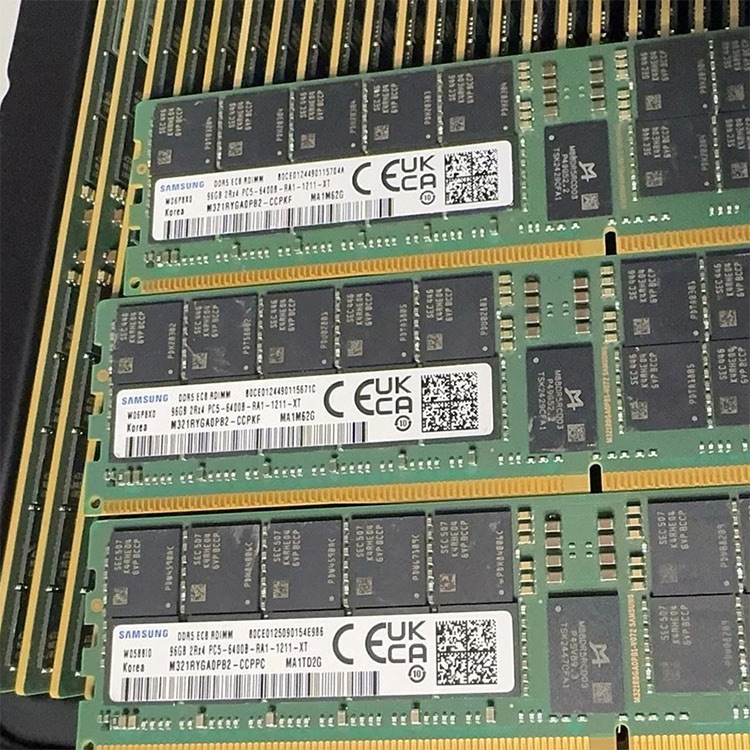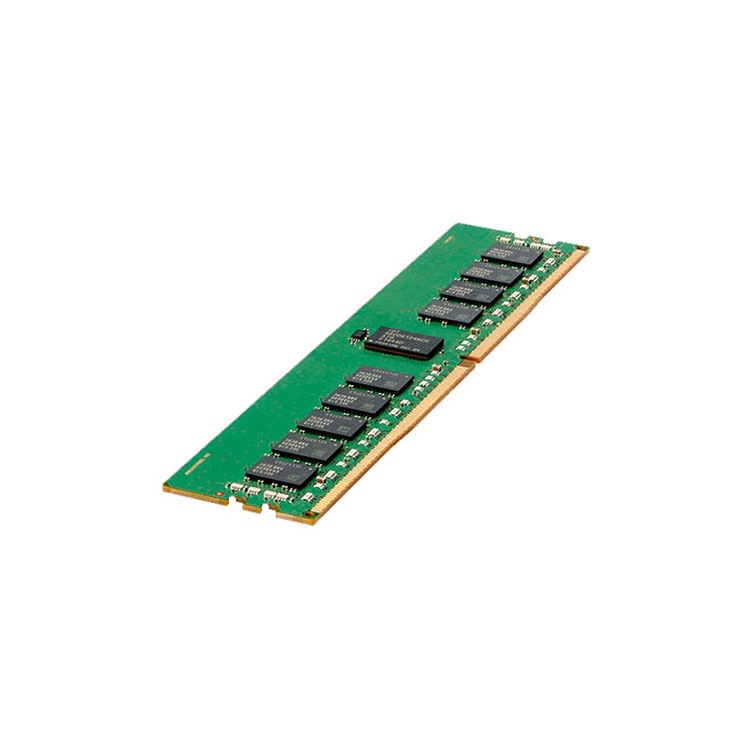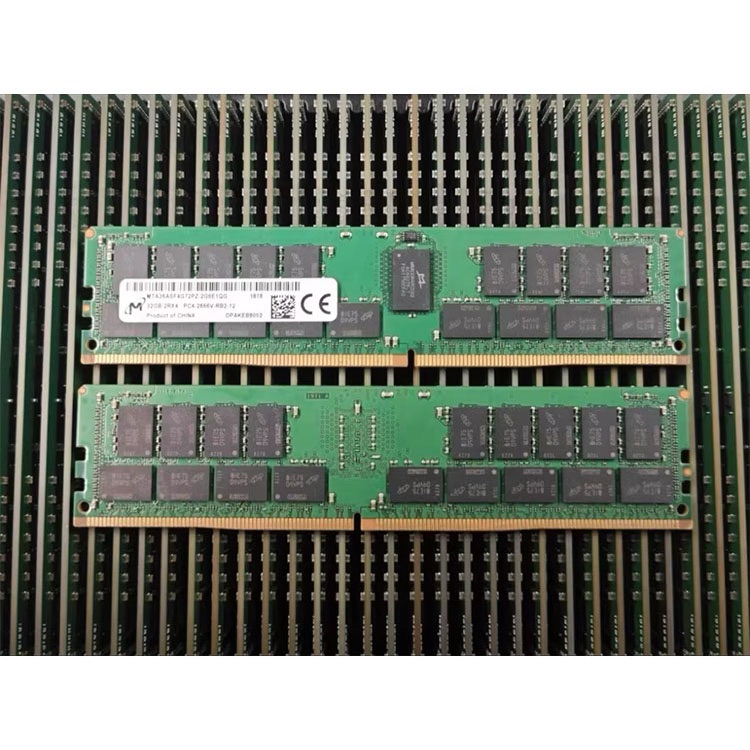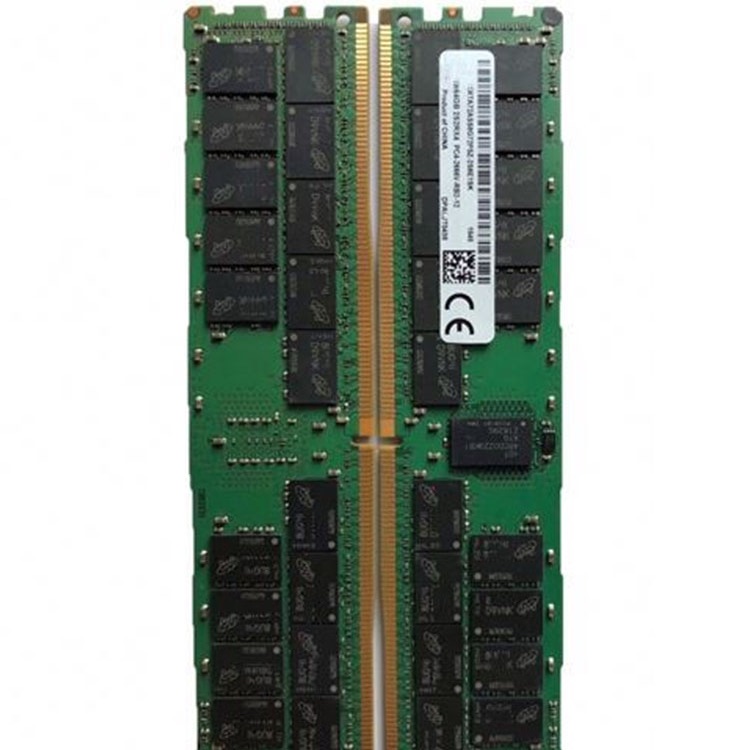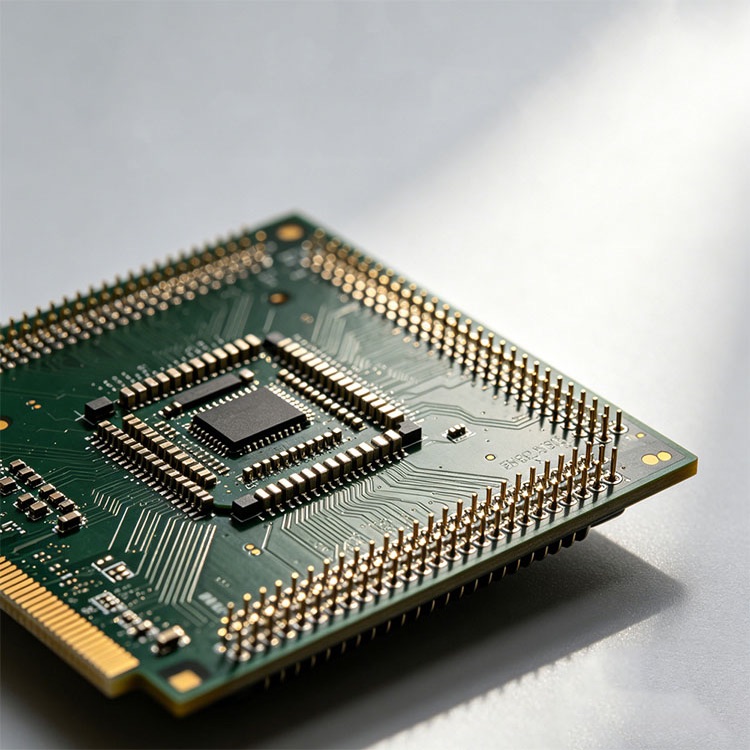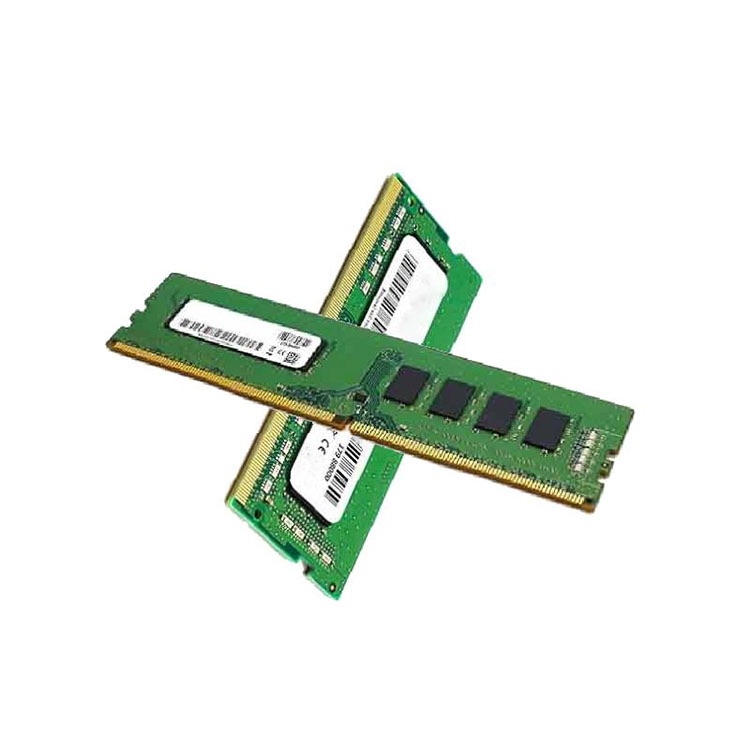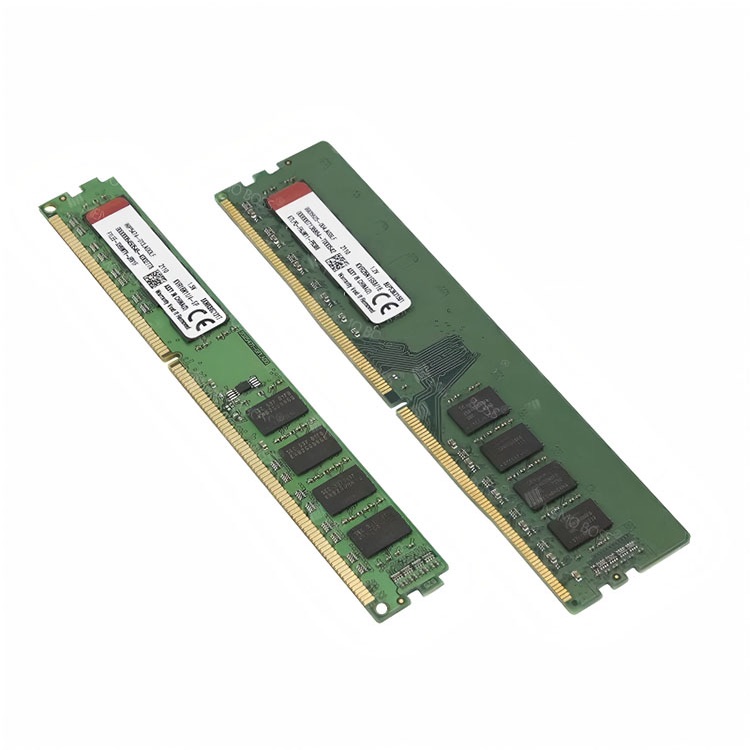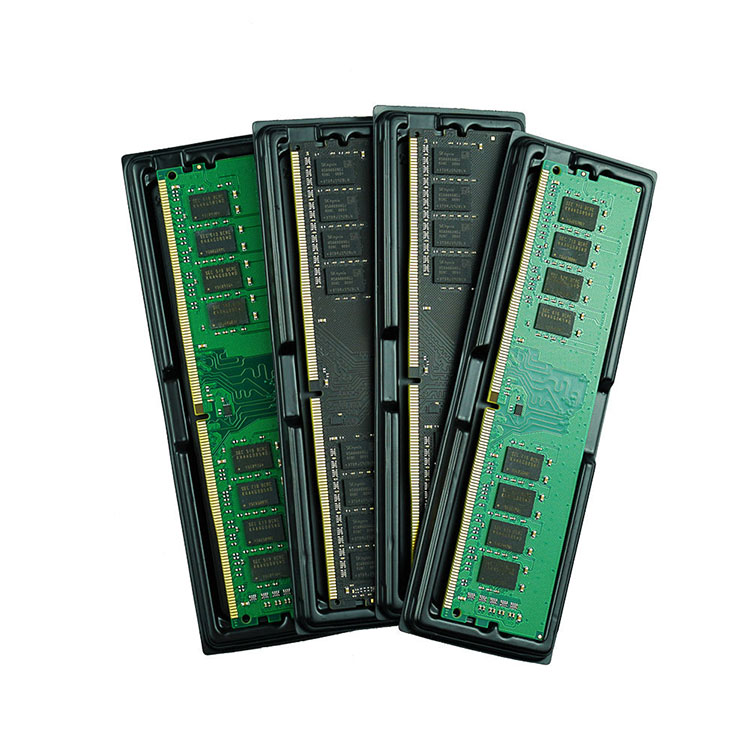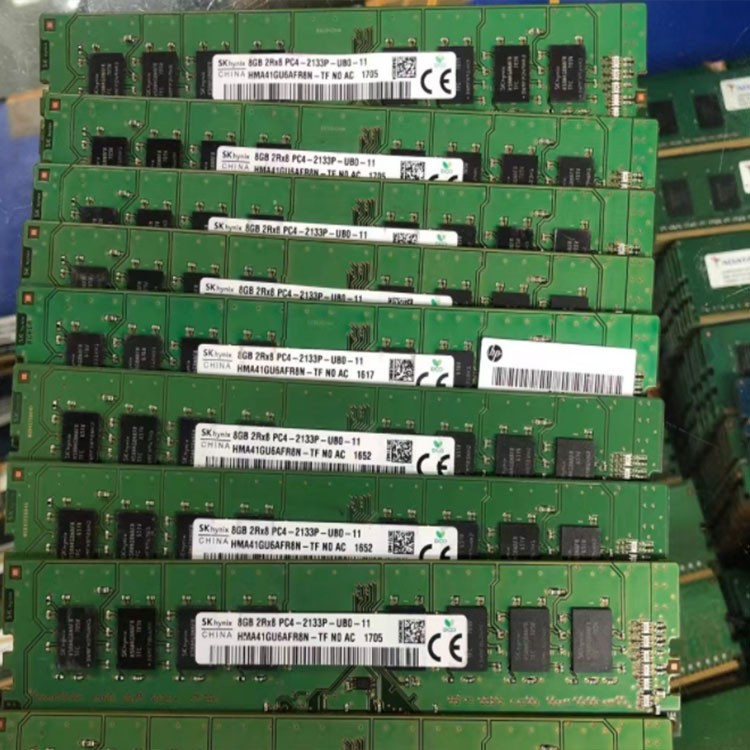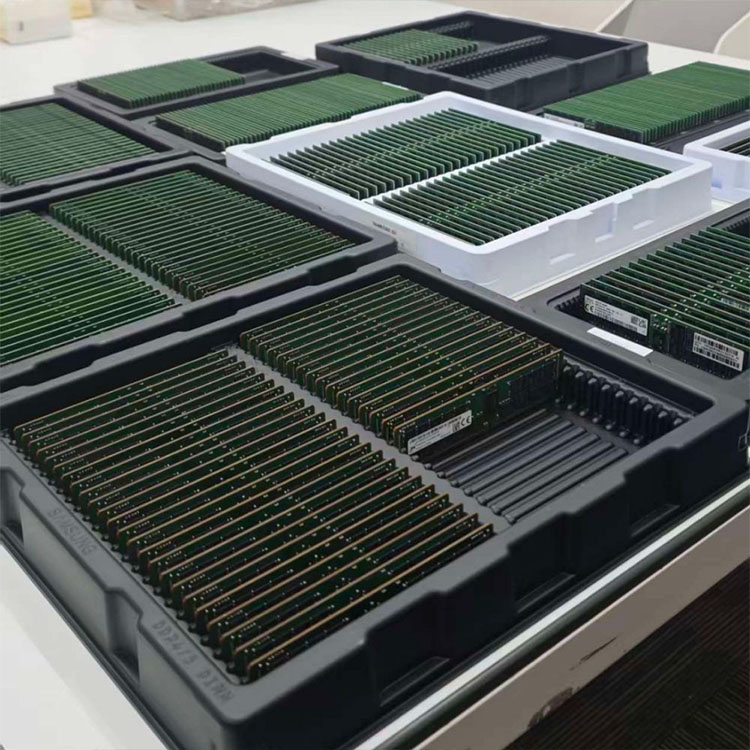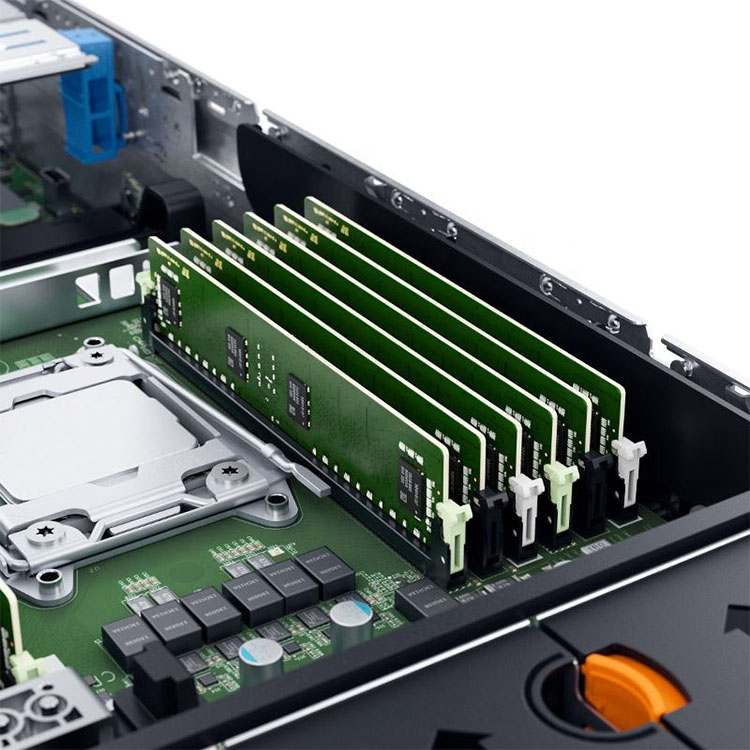


Used server memory is not risky because it was used. It becomes risky when nobody can prove how it was tested, matched, logged, packed, and supported after failure.

Server memory sourcing is not a price hunt. It is a compatibility, traceability, testing, warranty, and supplier-control exercise where one lazy quote line can turn into downtime, RMAs, and blown deployment schedules.

The spot market is where serious buyers find hard-to-source DDR4, DDR5, ECC RDIMM, LRDIMM, Samsung, Micron, SK hynix, and Kingston inventory. It is also where weak paperwork, counterfeit risk, pulled modules, and “compatible” substitutions hide in plain sight.

Most Server Memory quotes look comparable until you inspect the details. This guide shows procurement teams how to separate real supplier value from risky low-price bait.

New memory usually sells certainty. Tested used memory sells proof. The warranty difference is not just the number of months on paper; it is who carries risk when ECC RDIMMs fail, mismatch, or arrive with unclear provenance.

Used server memory can be a smart enterprise buy, but only when the module type, platform support, testing record, and supplier process are verified before purchase. This guide shows what serious buyers should check before buying used server RAM.

Tested used server memory can be safe, but only when the seller proves compatibility, part-number traceability, ECC validation, pre-shipment screening, and warranty support. The real danger is not “used.” The danger is undocumented memory sold by vendors who hide behind vague testing claims.

Most server RAM quotes stall because buyers send half the story. I break down the specific fields, part numbers, compatibility checks, and pricing triggers that turn a vague inquiry into a real quote.

Most server RAM vendors can win a quote. Very few can survive a two-year buying cycle, a bad RMA month, and a sudden DRAM spike without turning your procurement team into a hostage. This is the scorecard I use.

Bulk memory rollouts rarely blow up because RAM is mysterious. They blow up because teams skip the small, disciplined pilot that exposes BIOS mismatches, bad batches, downclocking, and weak support processes before the whole estate is touched.

Most teams do not run out of assigned RAM. They run out of honest capacity planning. Here is how to size virtualization host memory the way operators should, using working sets, host reserve, failover headroom, and real platform behavior instead of vendor fairy tales.

ServerDimm supplies new and used branded server memory for distributors, OEM buyers, resellers, and data center teams. We support DDR4 and DDR5 sourcing with tested inventory, compatibility checks, and responsive quote service.
Copyright © 2026 Shenzhen Lux Telecommunication Technology Co.,Ltd. All rights reserved